Preparing Your Irrigation System for Freezing Weather in Asheville: Is Turning It Off Enough?
Turning off your irrigation controller is not the same as preparing the system for freezing weather. The controller tells the system when to run; switching it off does not necessarily remove water from pipes, valves, sprinkler heads, or exposed components.
For Asheville-area property owners, the useful question is not just, “Have I stopped watering?” It is, “What water remains in the system, and how should this particular system be protected?” The answer depends on its layout, equipment, and manufacturer instructions—not a single shutdown method that works for every yard.
Why turning the controller off may not be enough
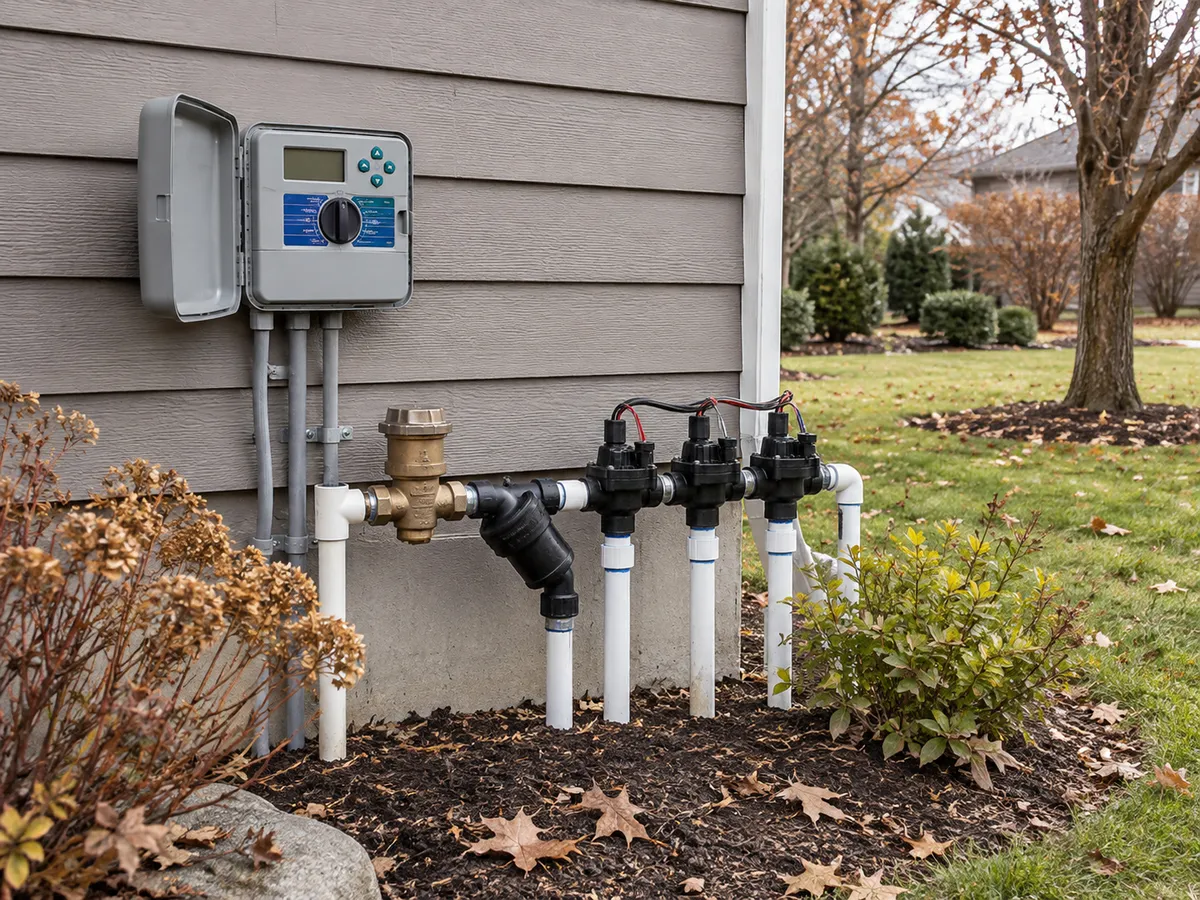
An irrigation system has several separate parts: a controller, a water supply connection, distribution lines, valves, and watering devices. Depending on the installation, it may also include backflow protection, pumps, filters, or drip irrigation components.
Stopping the automatic schedule addresses only one part of that system. Water may still remain elsewhere, even when the sprinklers are no longer running. Water expands as it freezes, which can damage components that retain it.
It helps to distinguish three tasks:
Stopping automatic watering: Changing the controller setting so scheduled cycles do not run.
Isolating the irrigation water supply: Using the appropriate irrigation shutoff according to the system's instructions.
Preparing components for freezing conditions: Following the specified drainage, removal, or protection procedures for the installed equipment.
Completing the first task does not prove that the other two are complete.
Start with the system you actually have
Before adjusting unfamiliar valves, gather any installation paperwork, equipment manuals, or maintenance records. Look for the controller model and information about the water supply connection, drainage method, and exposed equipment.
A practical inventory should answer these questions:
Where is the irrigation-specific shutoff?
Does the system use manual drains, automatic drains, or a different winterization procedure?
Are there exposed pipes, valves, filters, or backflow components?
Does it include drip lines, hose-connected timers, pumps, or other equipment with separate instructions?
Has anything been added or changed since the system was installed?
If you cannot answer these questions, avoid guessing. An unfamiliar valve may serve something other than irrigation, and equipment that looks similar can require different handling.
For a business property, also identify who is responsible for the controller and water supply. Clear responsibility helps prevent someone from restarting a system after it has been prepared for winter.
Use the forecast—not a fixed calendar deadline
There is no single shutdown date that accounts for every Asheville or Hendersonville property, weather pattern, and irrigation setup. Monitor the forecast and arrange preparation before freezing conditions arrive rather than waiting until the system shows a problem.
Exposed equipment deserves particular attention. A buried irrigation line and an aboveground assembly do not have the same exposure to cold air. Do not assume that because much of the system is underground, every component is protected.
Scheduling also matters. If you need help identifying the system or its required procedure, allow time for that assessment before a freeze is imminent.
Drainage methods are not interchangeable
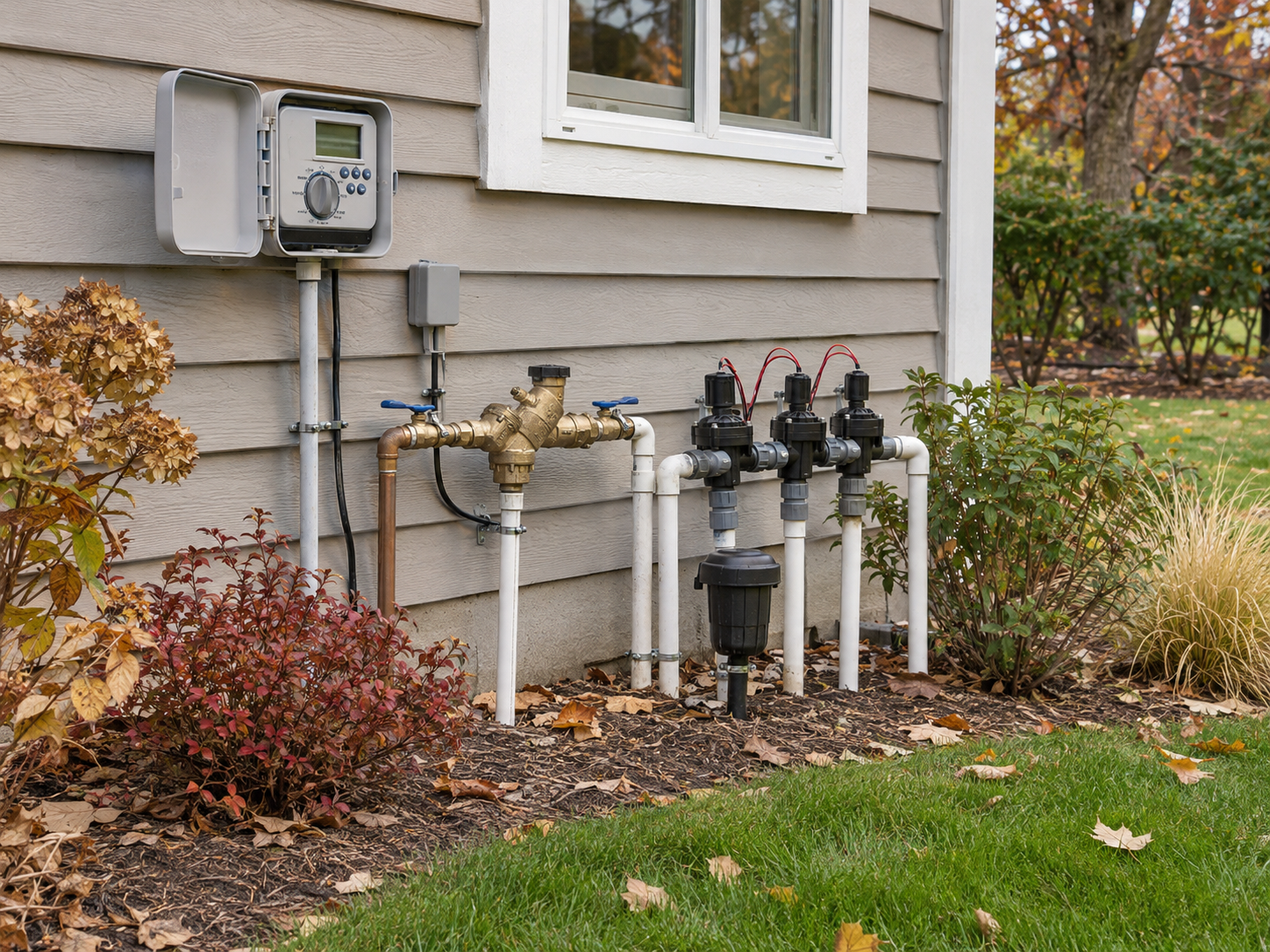
Some systems have manual drainage provisions. Others use automatic drains, and some call for compressed-air winterization. The right approach depends on the installation and equipment specifications.
Opening a visible drain does not necessarily establish that all lines and components are empty. Low points, separate zones, and accessories may need attention under the system's specific procedure.
Likewise, a sprinkler blowout is not simply a matter of connecting a household compressor. Airflow, pressure limits, connection points, and the sequence of work all matter. Incorrect handling can damage equipment or cause injury. Do not improvise a compressed-air procedure or use a pressure setting found in a generic online guide.
When the drainage method is unclear, have a qualified irrigation service provider identify the appropriate procedure. Ask what equipment will be addressed and what limitations remain after the work.
Check the parts beyond the sprinkler heads
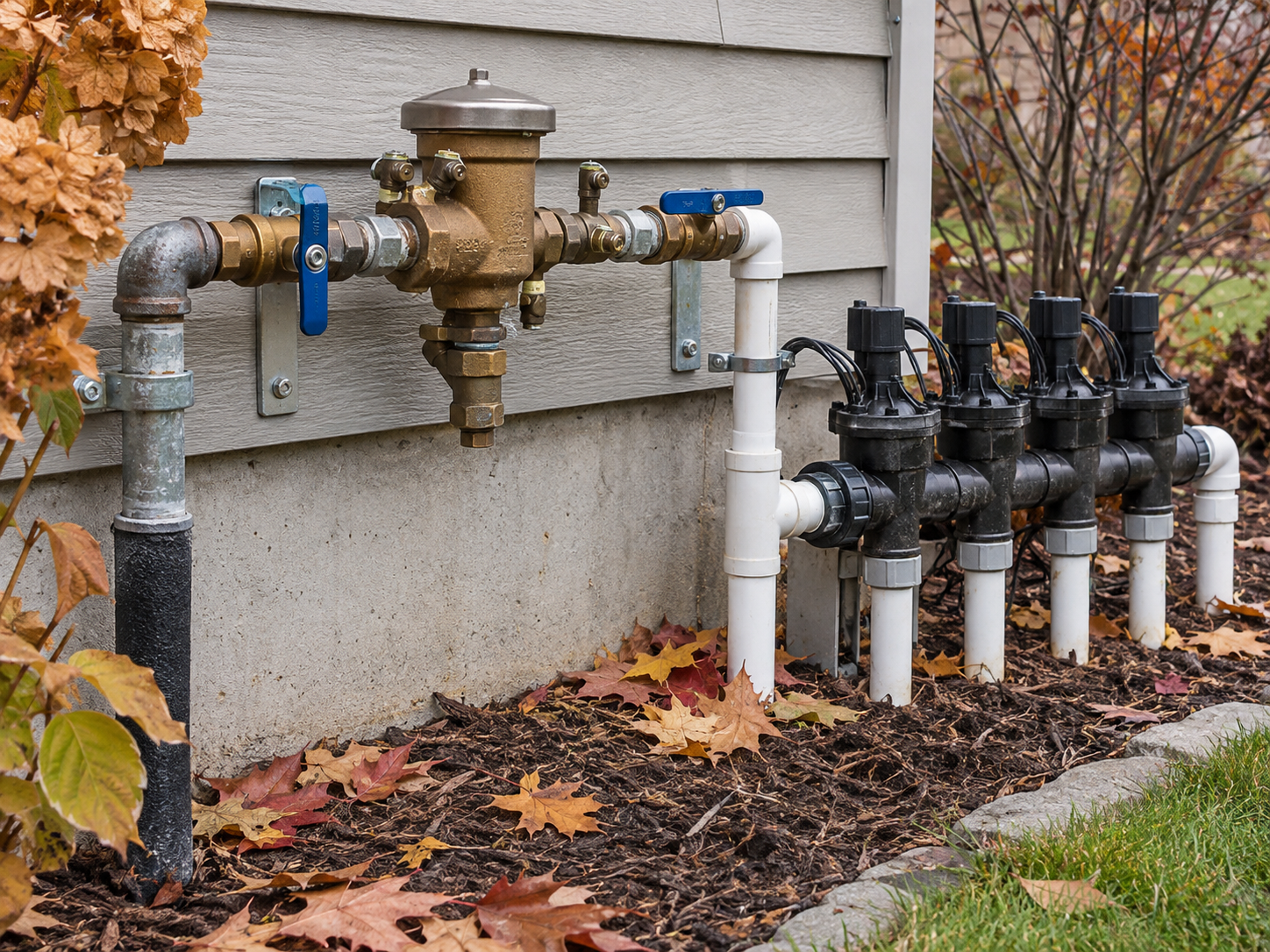
A winter preparation plan should account for the full irrigation setup, not just the lawn zones.
Exposed plumbing and backflow equipment
Identify exposed assemblies and follow the applicable manufacturer instructions. Insulation may be part of a protection plan, but it is not proof that retained water cannot freeze. Avoid blocking vents or drains, and do not disassemble unfamiliar backflow equipment.
Drip irrigation and accessories
Garden beds may have filters, pressure regulators, timers, or other components with their own cold-weather instructions. Include these in the inventory rather than assuming they are covered by shutting down the lawn sprinklers.
Controllers and sensors
Follow the controller manufacturer's directions for seasonal shutdown. Turning off watering, unplugging a controller, and disconnecting accessories are different actions; they should not be treated as interchangeable. Record any settings you may need when service resumes.
What can you handle yourself—and when should you get help?
Homeowners can start by collecting manuals, locating clearly labeled equipment, photographing the setup, and noting visible leaks or damaged parts. These steps make a service discussion more useful without requiring unfamiliar plumbing work.
Professional help is particularly worth considering when you do not know the drainage method, cannot identify the irrigation shutoff, have exposed specialty equipment, or have inherited a system with no records.
Before scheduling, ask:
Does the proposed work cover my system's required freeze-preparation procedure?
Are backflow equipment, drip zones, filters, and other accessories included?
Are there existing defects that need attention separately?
What should remain off until spring, and what will restarting the system involve?
Orion Lawn Care & Maintenance lists irrigation system design, installation, and maintenance, along with water management, among its lawn and landscape services. Those services provide a relevant starting point for discussing your setup. Confirm whether the specific winterization work your equipment requires is available before arranging service.
Frequently asked questions
Is turning off the irrigation water supply enough?
Not necessarily. Closing the correct supply valve can stop incoming water, but it does not necessarily remove water already held in the system. Drainage and component protection still depend on the installation.
Does every sprinkler system need a blowout?
No single method applies to every system. Use the procedure specified for your installation and equipment. If those details are unknown, have the system assessed rather than assuming compressed air is required—or that simple draining is sufficient.
Can I restart irrigation during a warm spell?
Do not restart a winterized system casually. Reintroducing water may mean it needs freeze preparation again before the next cold period. Check with the person who performed the shutdown and follow the system's restart instructions.
Can I tell whether a freeze damaged my irrigation system right away?
Not always. Some leaks or operating problems may become apparent only when the system is pressurized again. Include a check for leaks, damaged components, and abnormal zone operation when the system returns to use.
Plan before the next freeze
The goal is more than an inactive controller: it is a system prepared according to its actual design. For an Asheville-area property, start with the equipment inventory, confirm the required procedure, and clarify any service needs before freezing weather arrives.
To discuss irrigation maintenance or water management with Orion Lawn Care & Maintenance, request a Free Quote and describe your system, exposed equipment, and any questions about winter preparation.
