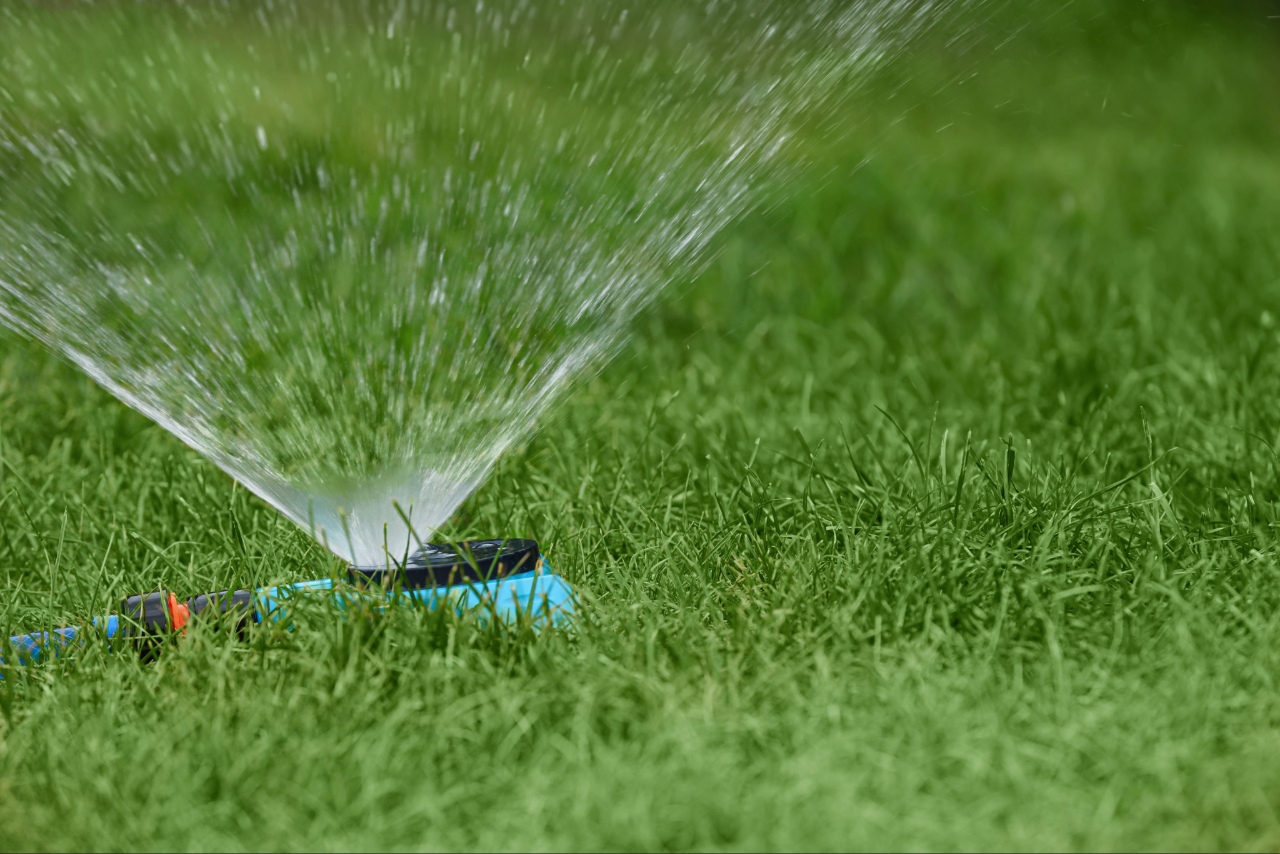
Lawn Watering Asheville NC: 7 Smart Tips for a Healthier Lawn
Lawn watering in Asheville, NC, that homeowners do correctly can make a significant difference in the health and appearance of their grass. Too little water can leave a lawn stressed and dry, while too much can contribute to shallow roots, runoff, disease, and other problems.
Asheville's changing weather means homeowners should not necessarily follow the same watering routine throughout the year. Rainfall, temperature, soil conditions, grass type, sunlight, and the condition of the lawn all affect how much water you need.
A smart approach is to monitor the lawn and adjust watering based on its actual needs rather than relying on a rigid schedule. The EPA also recommends adjusting irrigation based on seasonal conditions and checking systems regularly for leaks, clogged heads, and other problems.
Whether you use a hose, sprinkler, or irrigation system, understanding the basics of proper lawn watering can help you avoid common mistakes and create better growing conditions for your grass.
Why Proper Lawn Watering Matters
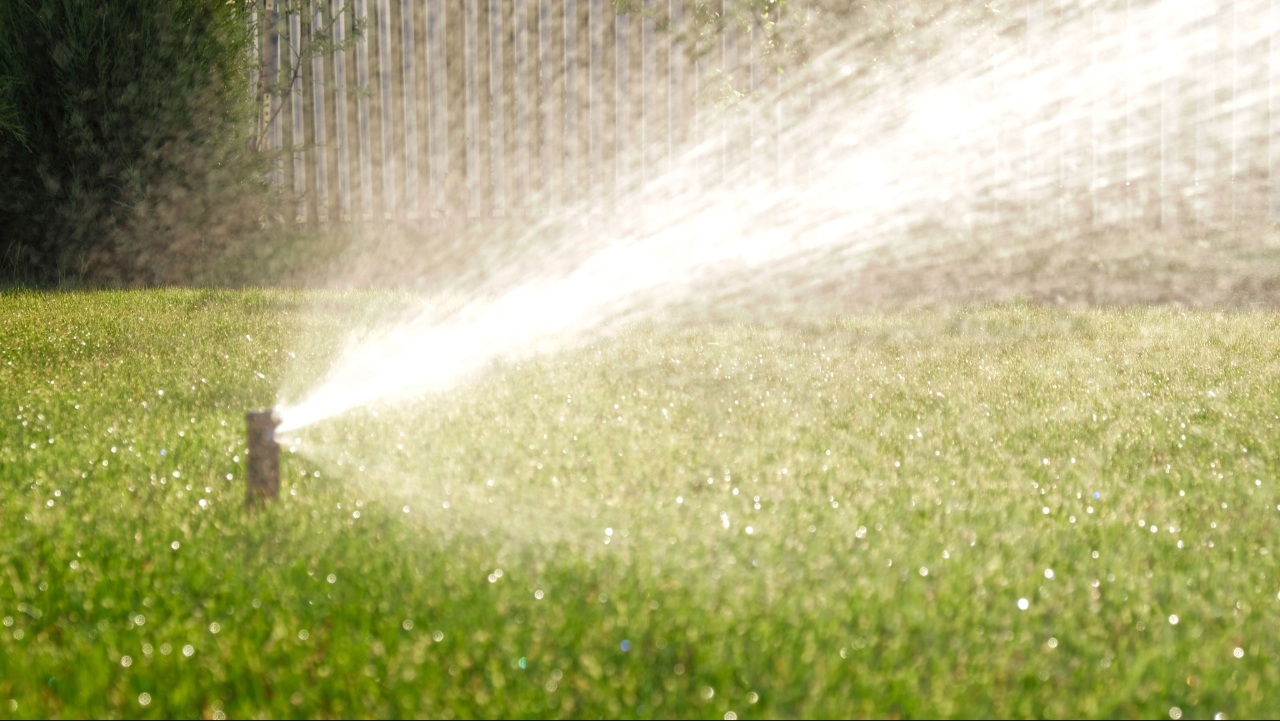
Water is essential for healthy grass, but more water does not automatically mean a healthier lawn.
When grass receives too little moisture, it can become stressed, lose its color, and become less capable of recovering from heat and other environmental pressures. On the other hand, excessive watering can keep the soil overly wet and may contribute to shallow roots, disease, fungus, weed growth, and runoff.
The goal is to provide enough moisture to support healthy root growth without continuously saturating the soil.
Several factors affect how much water a lawn needs:
Recent rainfall
Temperature
Grass type
Soil composition
Sun exposure
Drainage
Lawn condition
Time of year
Because these factors change, your watering routine should change with them.
1. Water When Your Lawn Actually Needs It
One of the simplest ways to improve lawn watering practices in Asheville, NC, is to stop watering automatically when the lawn does not need additional moisture.
Rainfall should always be considered before turning on an irrigation system or sprinkler. If the lawn has already received enough rainfall, additional watering may be unnecessary.
Look at the grass for signs of stress rather than relying only on a timer.
Check How the Grass Responds to Foot Traffic
One simple way to check whether grass may need water is to walk across it.
Healthy, adequately hydrated grass should generally spring back after you step on it. If footprints remain visible for several minutes, the grass may be experiencing moisture stress. The EPA recommends using this type of observation as one way to determine whether irrigation is needed.
This does not replace a professional lawn evaluation, but it can help homeowners recognize when their lawn may need attention.
2. Water During the Right Part of the Day
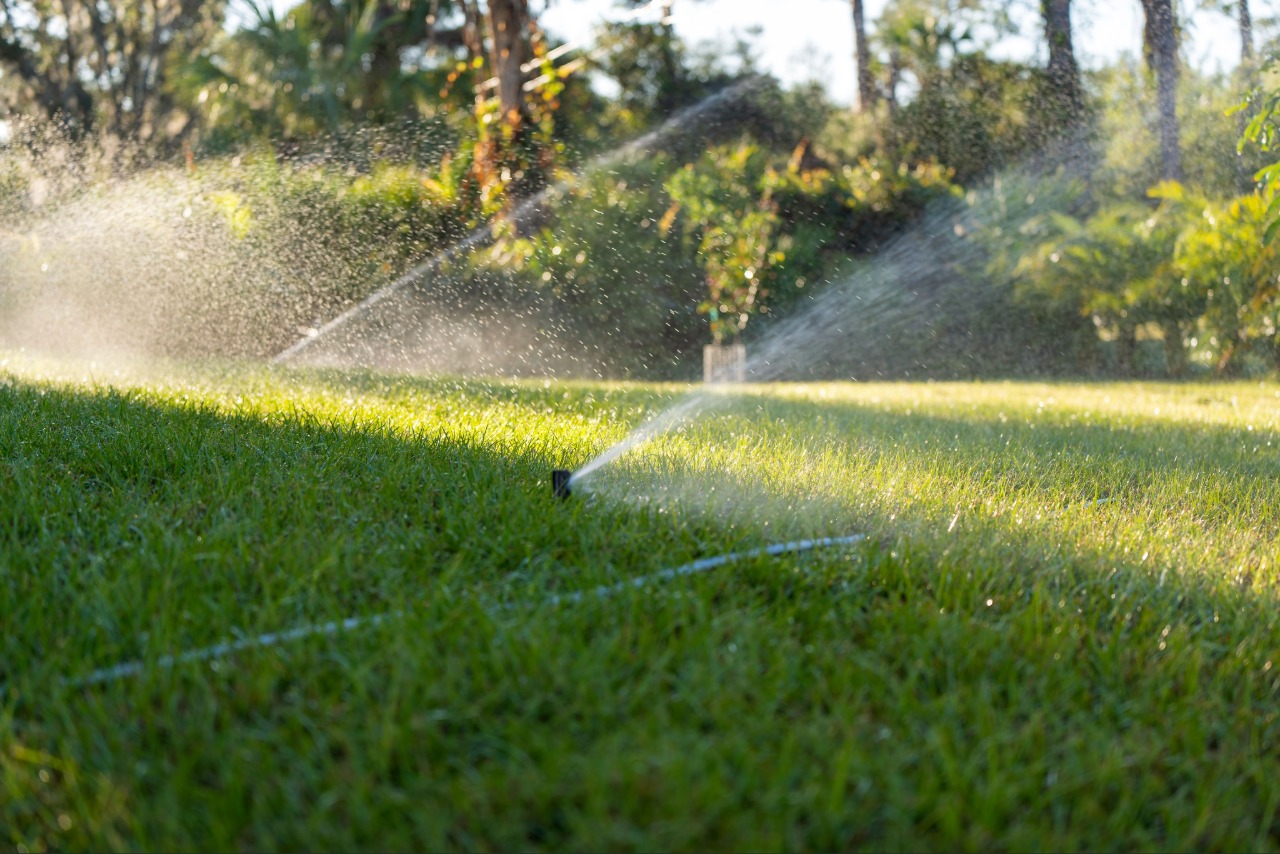
Timing matters when watering a lawn.
Watering during the hottest part of the day can result in greater evaporation before moisture reaches the soil. The EPA recommends avoiding midday watering and generally favors cooler periods, particularly early morning, to improve water efficiency.
Early morning watering can allow moisture more time to reach the soil before daytime temperatures rise.
Avoid Creating Constantly Wet Conditions
Although watering at the right time helps reduce evaporation, watering too frequently can still create problems.
If water begins pooling on the surface, stop the irrigation cycle and investigate why the soil is not absorbing the water effectively.
Compacted soil, heavy clay, slopes, poor drainage, or excessive irrigation rates can all affect how quickly water enters the soil. The EPA recommends shorter irrigation intervals with breaks between cycles in situations where water needs more time to soak into the ground.
3. Water Deeply Instead of Constantly
A healthy lawn needs moisture around its root zone.
Watering lightly every day may keep the surface damp without providing the deeper moisture needed by the roots. Depending on soil conditions and the lawn's needs, deeper and less frequent watering can encourage roots to grow further into the soil.
However, there is no universal watering schedule that works for every Asheville lawn.
The amount and frequency should be adjusted based on:
Soil type
Recent rainfall
Grass type
Temperature
Sun exposure
Slope
Drainage
The EPA notes that many landscapes may need around one inch of water per week, including rainfall, but actual requirements vary by location, weather, and plants.
For that reason, the one-inch figure should be treated as general guidance rather than a fixed requirement for every lawn.
4. Pay Attention to Your Soil
The condition of the soil has a major impact on how effectively water reaches grass roots.
Compacted soil can restrict water infiltration, causing water to remain on the surface or run off before reaching the root zone.
This is one reason lawn aeration can complement effective watering practices. Aeration can create openings in compacted soil that improve water infiltration and movement toward the roots.
Different Soil Types Handle Water Differently
Not every lawn absorbs water at the same rate.
Clay-heavy soils can hold significant amounts of water but may absorb it slowly. Sandy soils tend to drain more quickly. Sloped areas can also experience runoff before water has enough time to penetrate the ground.
Understanding the soil conditions around your property can help you determine whether your current watering approach is actually working.
5. Check Your Irrigation System Regularly
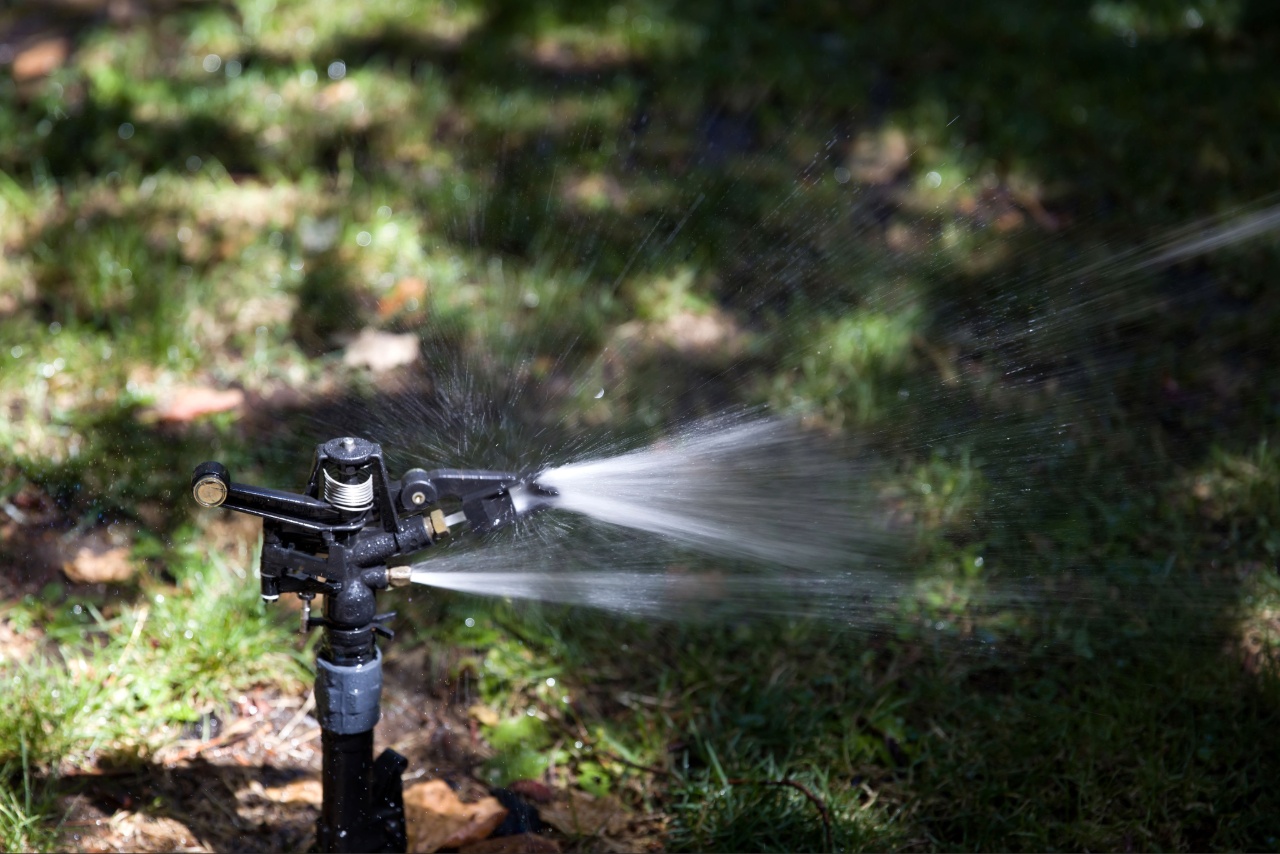
An irrigation system can make lawn watering easier, but only if the system is working correctly.
A damaged or poorly adjusted sprinkler can waste water while leaving parts of the lawn too dry.
Homeowners should periodically check for:
Broken sprinkler heads
Clogged nozzles
Leaks
Uneven spray patterns
Water spraying onto sidewalks
Water spraying onto driveways
Areas receiving too much water
Areas receiving too little water
The EPA recommends inspecting irrigation systems regularly and correcting leaks, clogged heads, and other problems that prevent water from being distributed evenly.
Adjust Irrigation for Seasonal Conditions
A watering schedule that worked during one season may not be appropriate several months later.
As temperatures, rainfall, and plant water requirements change, irrigation settings should be adjusted accordingly. WaterSense also recommends adjusting irrigation schedules based on seasonal conditions.
6. Watch for Signs of Overwatering
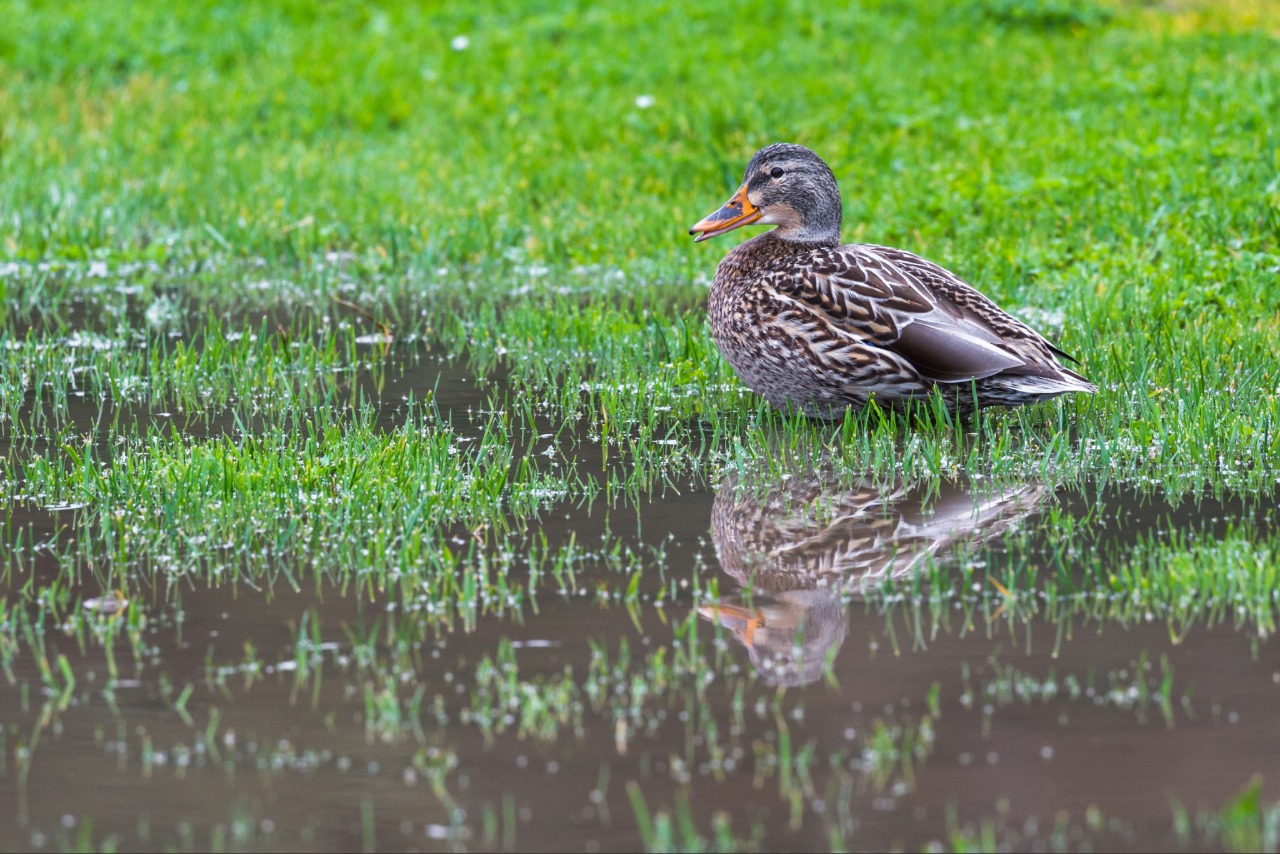
Many homeowners worry about their lawn not receiving enough water, but overwatering can be just as problematic.
Signs of excessive watering can include:
Pooling water
Constantly wet soil
Excessive grass growth
Yellowing grass
Increased weed growth
Fungal or disease problems
Runoff
The EPA specifically warns that watering too frequently can result in shallow roots and contribute to weed growth, disease, fungus, and runoff.
If water repeatedly pools in the same location, simply reducing or increasing irrigation may not solve the problem. The underlying issue could involve soil compaction, grading, drainage, or the irrigation system itself.
7. Adjust Lawn Watering Through the Seasons
Your lawn watering routines in Asheville, NC, should change as weather conditions change.
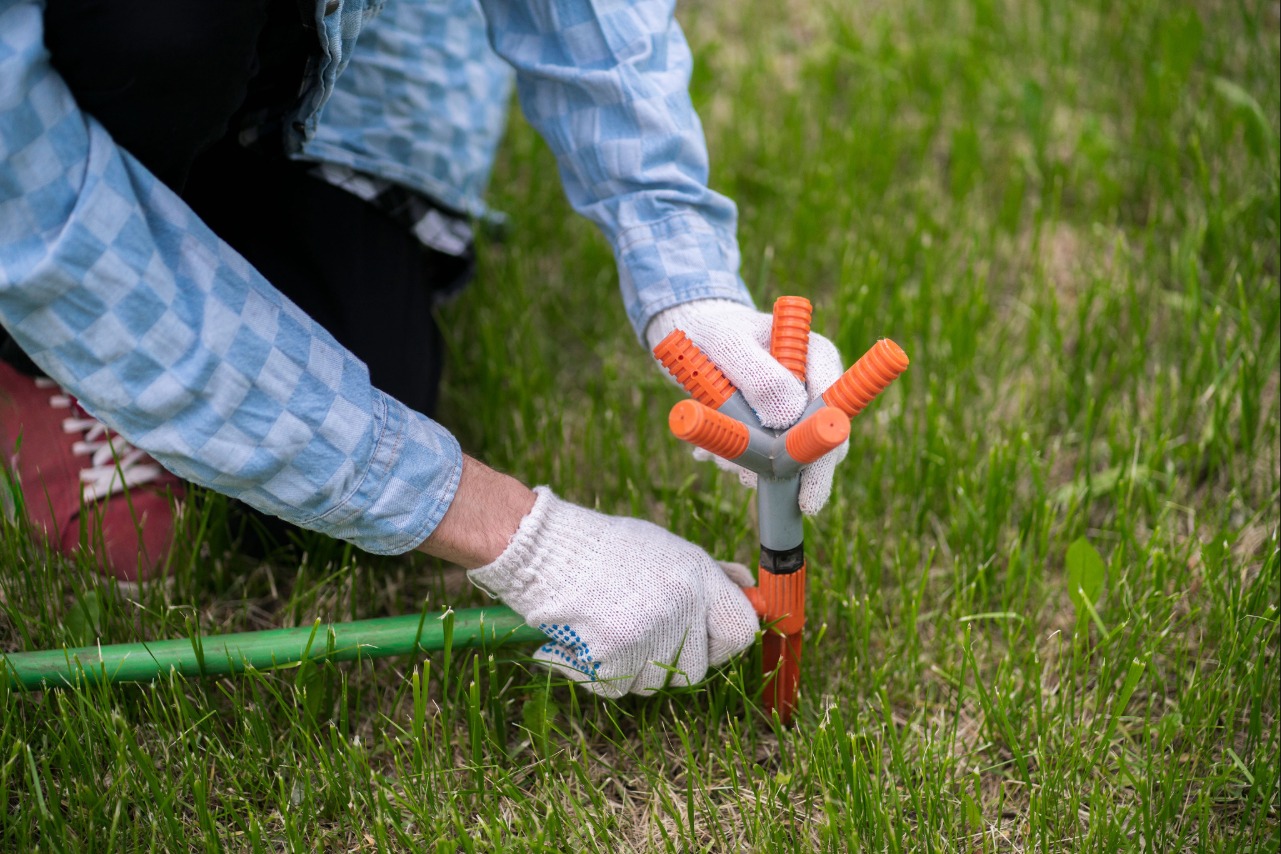
Spring Lawn Watering
Spring rainfall can provide much of the moisture your lawn needs.
Instead of automatically increasing irrigation as grass begins growing, monitor rainfall and soil conditions first.
Spring is also a good time to inspect irrigation equipment and make sure sprinklers are operating properly before the warmer months arrive.
Summer Lawn Watering
Summer typically creates greater demand for moisture because temperatures can increase evaporation and place additional stress on grass.
Monitor the lawn for signs of stress and adjust irrigation according to weather conditions.
Avoid assuming that every hot day requires additional watering. The EPA recommends checking the lawn's actual condition and avoiding unnecessary irrigation.
Fall Lawn Watering
Fall weather can bring cooler temperatures and changing rainfall patterns.
Continue monitoring the lawn rather than maintaining the same summer irrigation schedule automatically.
As temperatures decrease and rainfall changes, your lawn may require less supplemental watering.
Winter Lawn Watering
Winter watering needs are generally different from those of the active growing season.
Monitor the lawn and weather conditions rather than following a summer watering routine. If freezing conditions are expected and your property has an irrigation system, appropriate winterization may also be necessary. The EPA recommends shutting off the water supply and draining irrigation lines before freezing weather arrives.
Common Lawn Watering Mistakes to Avoid
Even homeowners who regularly water their lawns can make mistakes that reduce efficiency or damage grass.
Common problems include:
Watering on a Fixed Schedule
A timer does not know whether your lawn already received significant rainfall unless it is connected to appropriate smart technology.
Watering in the Middle of the Day
Hot conditions can increase evaporation and reduce the amount of water reaching the soil.
Ignoring Sprinkler Problems
A clogged or broken sprinkler head can create dry areas while wasting water elsewhere.
Watering Too Frequently
Frequent watering can encourage shallow roots and contribute to overly wet soil.
Ignoring Runoff
If water is running onto sidewalks, driveways, or streets, the irrigation system may need adjustment.
When Professional Water Management Can Help
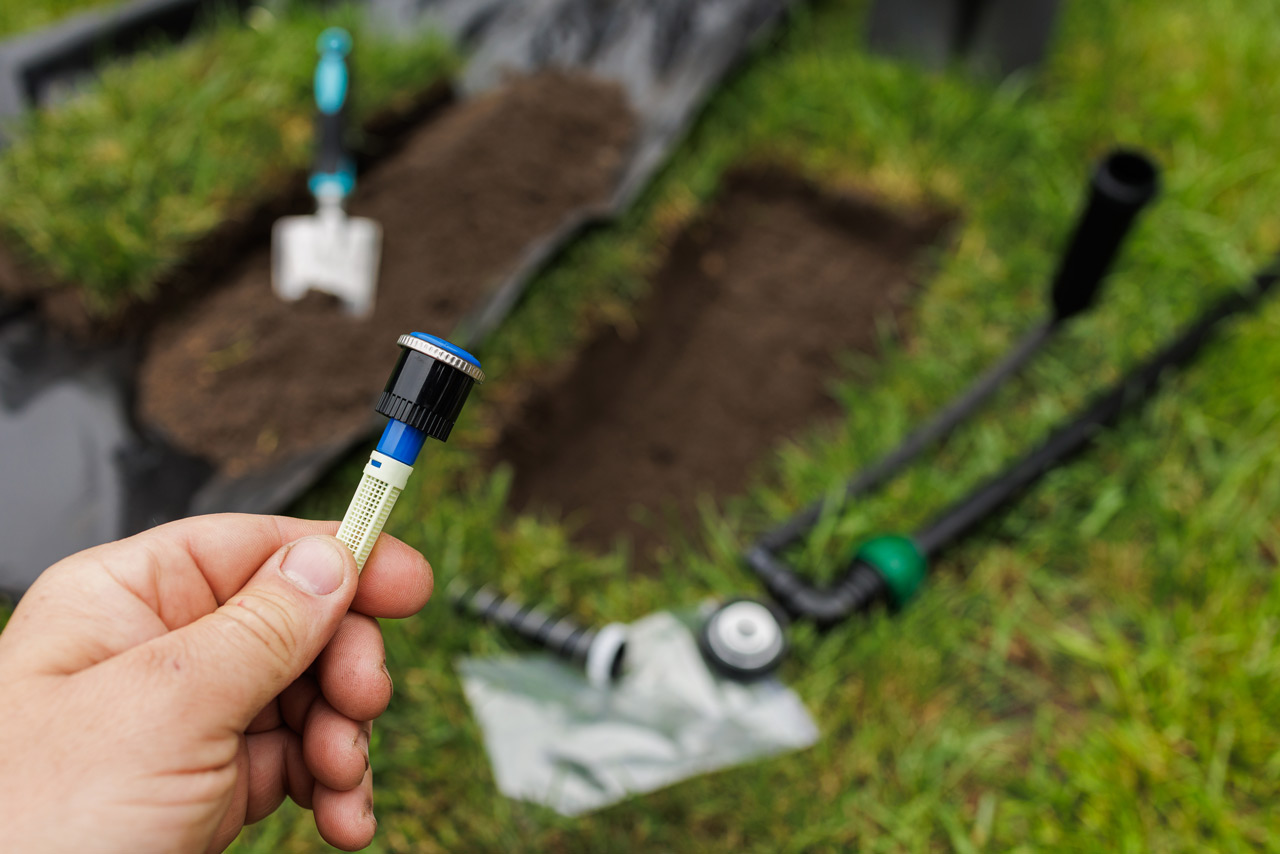
Some watering problems are difficult to identify simply by looking at the grass.
If one part of your lawn remains dry while another stays wet, the problem could involve irrigation coverage, soil conditions, grading, drainage, or another underlying issue.
Professional water management can help homeowners evaluate these conditions and determine whether adjustments to the irrigation system or watering approach are needed.
For larger properties or homes with complex irrigation systems, professional maintenance can also save homeowners the time required to inspect and adjust individual zones.
Build a Smarter Watering Routine for Your Asheville Lawn
Effective lawn watering: Asheville, NC homeowners can use it, but it is not about putting the sprinkler on for a set amount of time every day. It is about understanding what the lawn needs and adjusting your approach based on weather, soil, grass condition, and irrigation performance.
Water when the lawn needs it, avoid unnecessary overwatering, check irrigation equipment regularly, and adjust your routine as the seasons change.
These simple practices can help homeowners use water more efficiently while creating better conditions for healthy grass.
If your lawn continues to develop dry patches, standing water, or uneven growth despite your watering efforts, the issue may require a closer look at the soil, drainage, or irrigation system.
Why Choose Orion Lawn Service for Lawn Care in Asheville?
Orion Lawn Service helps homeowners in Asheville, NC, maintain healthier, better-looking lawns through dependable lawn care and water management services. Every property has different conditions, so watering and lawn maintenance should be based on factors such as soil, grass type, drainage, rainfall, and seasonal weather.
If your lawn has persistent dry spots, standing water, uneven irrigation, or other watering problems, Orion Lawn Service can help identify potential issues and recommend practical solutions. Professional attention can make it easier to maintain consistent lawn health while avoiding unnecessary water use.
From routine lawn care to irrigation and water management, Orion Lawn Service provides services designed to help Asheville homeowners keep their outdoor spaces in better condition throughout the year.
If you're unsure whether your lawn is receiving too much or too little water, contact Orion Lawn Service to discuss your lawn's specific needs.
FAQs
1. How often should I water my lawn in Asheville, NC?
There is no single watering schedule that works for every lawn. Watering needs depend on rainfall, temperature, grass type, soil conditions, sun exposure, and drainage. Monitor the lawn and adjust watering based on its actual needs.
2. What is the best time of day to water a lawn?
Early morning is generally a good time to water because cooler conditions can reduce evaporation and give water more time to reach the soil. Avoid routine watering during the hottest part of the day.
3. How can I tell if my lawn is being overwatered?
Signs of overwatering can include pooling water, constantly wet soil, excessive grass growth, yellowing grass, increased weed growth, and fungal or disease problems.
4. Why does water run off instead of soaking into my lawn?
Runoff can be caused by compacted soil, steep slopes, heavy soil, excessive irrigation, or poor drainage. If water consistently runs off the same area, the underlying soil or drainage conditions may need to be evaluated.
5. Should I change my lawn watering schedule throughout the year?
Yes. Water requirements can change with temperature, rainfall, grass growth, and seasonal conditions. A schedule that works during summer may provide more water than necessary during cooler or wetter periods.
6. How can I improve the efficiency of my irrigation system?
Regularly inspect sprinkler heads, nozzles, and irrigation zones for leaks, clogs, uneven coverage, and overspray onto sidewalks or driveways. Adjusting irrigation according to seasonal conditions can also help reduce unnecessary water use.
