Lawn Maintenance Asheville NC: How to Keep Your Yard Healthy Year-Round
Lawn Maintenance Asheville NC: How to Keep Your Yard Healthy Year-Round
Effective lawn maintenance Asheville NC homeowners can rely on requires consistent care throughout every season. Mowing, watering, fertilization, weed control, soil care, and seasonal cleanup all play an important role in keeping a lawn healthy and attractive. Because conditions change throughout the year, a lawn that looks healthy in spring may need a different maintenance approach during the heat of summer or the cooler months.
For homeowners in Asheville and surrounding areas, maintaining a healthy yard means paying attention to how weather, sunlight, rainfall, soil conditions, and seasonal growth affect the grass. A consistent lawn care routine can help prevent many common problems while improving the appearance and long-term health of your property.
Orion Lawn Service helps homeowners maintain attractive outdoor spaces with dependable lawn care and maintenance services. With a practical approach and regular attention, homeowners can keep their lawns looking better throughout the year instead of waiting until visible problems become difficult to correct.
Why Year-Round Lawn Maintenance Matters
A lawn needs more than occasional mowing to remain healthy. Weather, foot traffic, soil conditions, weeds, insects, and moisture constantly affect grass. When maintenance is inconsistent, small problems can quickly become larger issues.
Regular lawn maintenance can help:
Encourage stronger grass growth
Reduce weed problems
Improve the appearance of your property
Support healthier soil
Identify lawn problems earlier
Reduce the impact of seasonal stress
Improve overall curb appeal
One of the most important principles of lawn maintenance Asheville NC homeowners should understand is that each season brings different challenges. A maintenance schedule that works during spring may not be appropriate during summer or fall.
Start with a Consistent Mowing Routine
Mowing is one of the most visible parts of lawn maintenance, but cutting grass incorrectly can create unnecessary stress. Cutting grass too short can weaken its root system and make it more vulnerable to heat, drought, weeds, and disease.
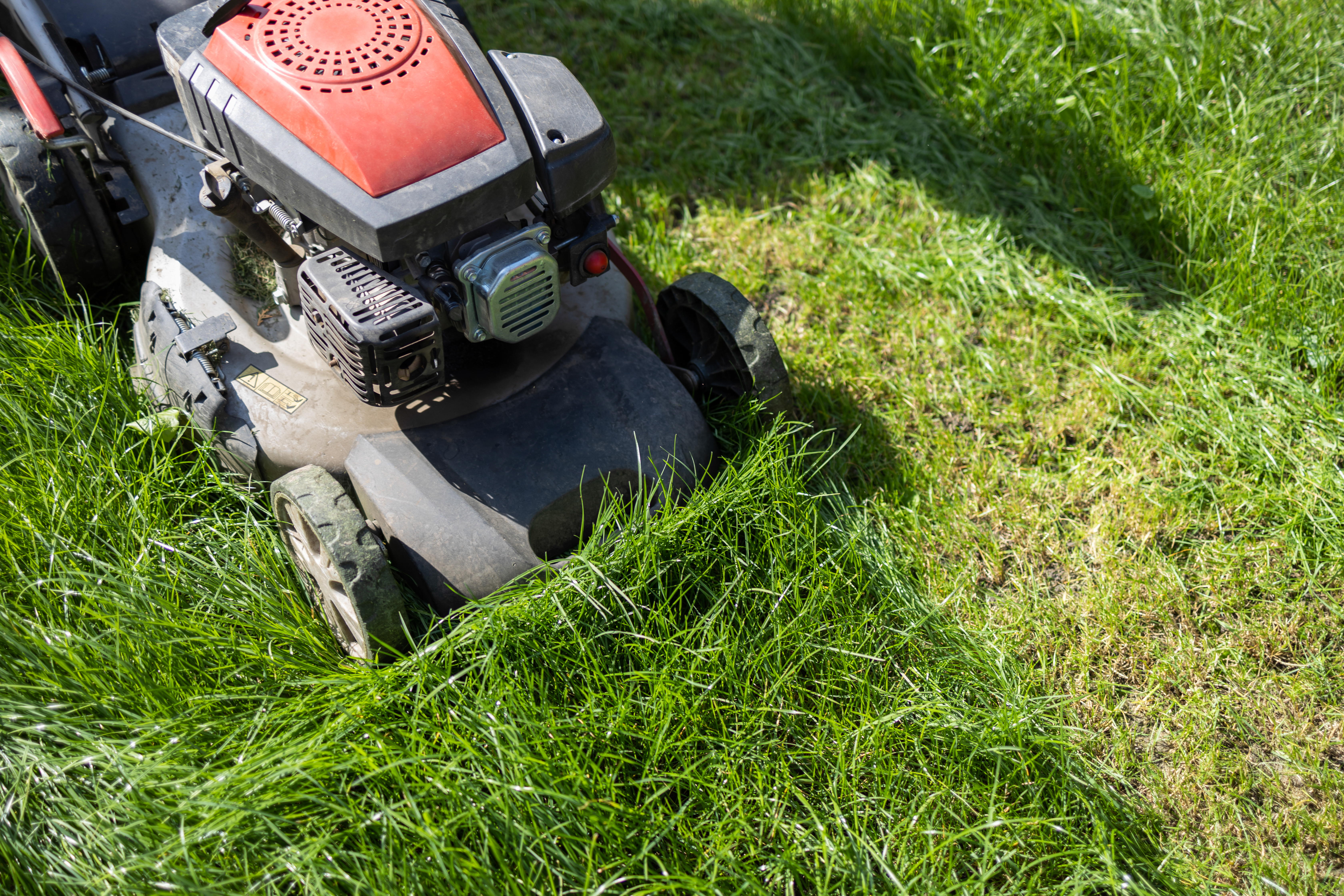
A consistent mowing routine should focus on maintaining an appropriate height for the specific type of grass growing in your yard.
Avoid Cutting Too Much Grass at Once
Removing too much of the grass blade in a single mowing session can shock the lawn. If the grass has grown significantly since the previous mowing, it is better to gradually reduce the height rather than cutting it extremely short all at once.
Homeowners should also avoid mowing simply because a calendar says it is time. Grass growth depends on temperature, rainfall, sunlight, and seasonal conditions.
Keep Mower Blades Sharp
Dull mower blades can tear grass instead of making clean cuts. Damaged grass blades may lose moisture more quickly and can become more susceptible to stress.
Sharp mower blades provide a cleaner cut and can help create a more attractive appearance after mowing. Regularly inspecting and maintaining lawn equipment is a simple step that supports better long-term lawn care.
Change Mowing Patterns
Mowing in the same direction every time can contribute to soil compaction and cause grass to lean in one direction. Changing mowing patterns helps reduce repeated wear on the same areas of the lawn.
For example, homeowners can alternate between horizontal, vertical, and diagonal mowing patterns when conditions allow.
Water Your Lawn Based on Its Needs
Watering is another important part of lawn maintenance Asheville NC homeowners should manage carefully. Too little water can cause grass to become stressed and turn brown, while excessive watering can contribute to shallow roots, fungal problems, runoff, and other issues.
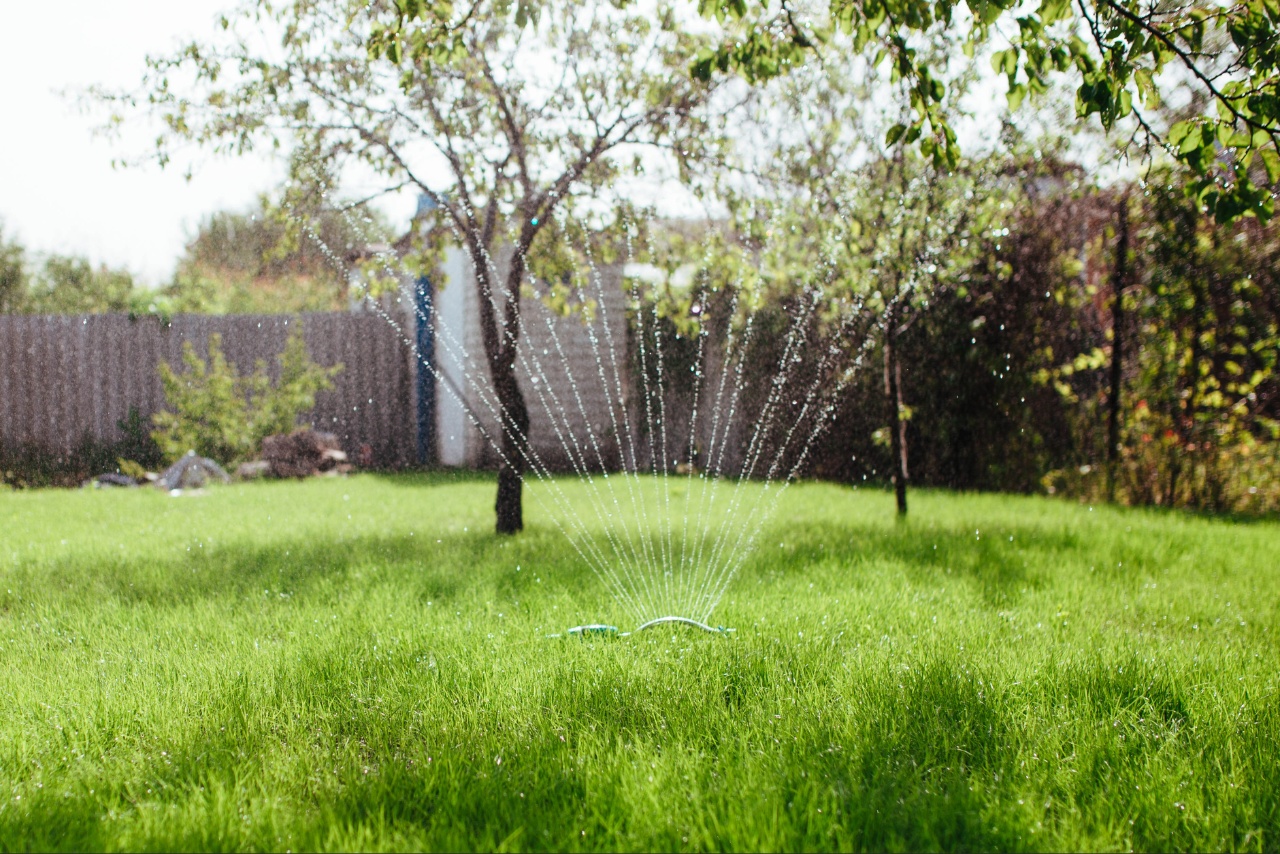
The best watering schedule depends on the grass type, soil conditions, recent rainfall, temperature, and the specific characteristics of the property.
Water Deeply Rather Than Constantly
Frequent, shallow watering may encourage roots to remain close to the surface. Deeper watering, when needed, can encourage roots to grow further into the soil.
However, homeowners should avoid following a rigid watering schedule without considering recent rainfall. If the lawn has already received significant moisture, additional irrigation may be unnecessary.
Check for Irrigation Problems
An irrigation system can make lawn maintenance easier, but only when it is operating correctly. Broken sprinkler heads, clogged nozzles, leaks, and poorly adjusted spray patterns can lead to uneven watering.
Signs of irrigation problems may include:
Brown patches in otherwise healthy grass
Areas that remain constantly wet
Water pooling in parts of the yard
Sprinklers spraying sidewalks or driveways
Uneven grass growth
Regularly checking irrigation equipment can help identify these problems before they affect larger areas of the lawn.
Improve Soil Conditions for Healthier Grass
Healthy grass depends on the condition of the soil beneath it. Soil provides the environment where grass roots receive water, oxygen, and nutrients.
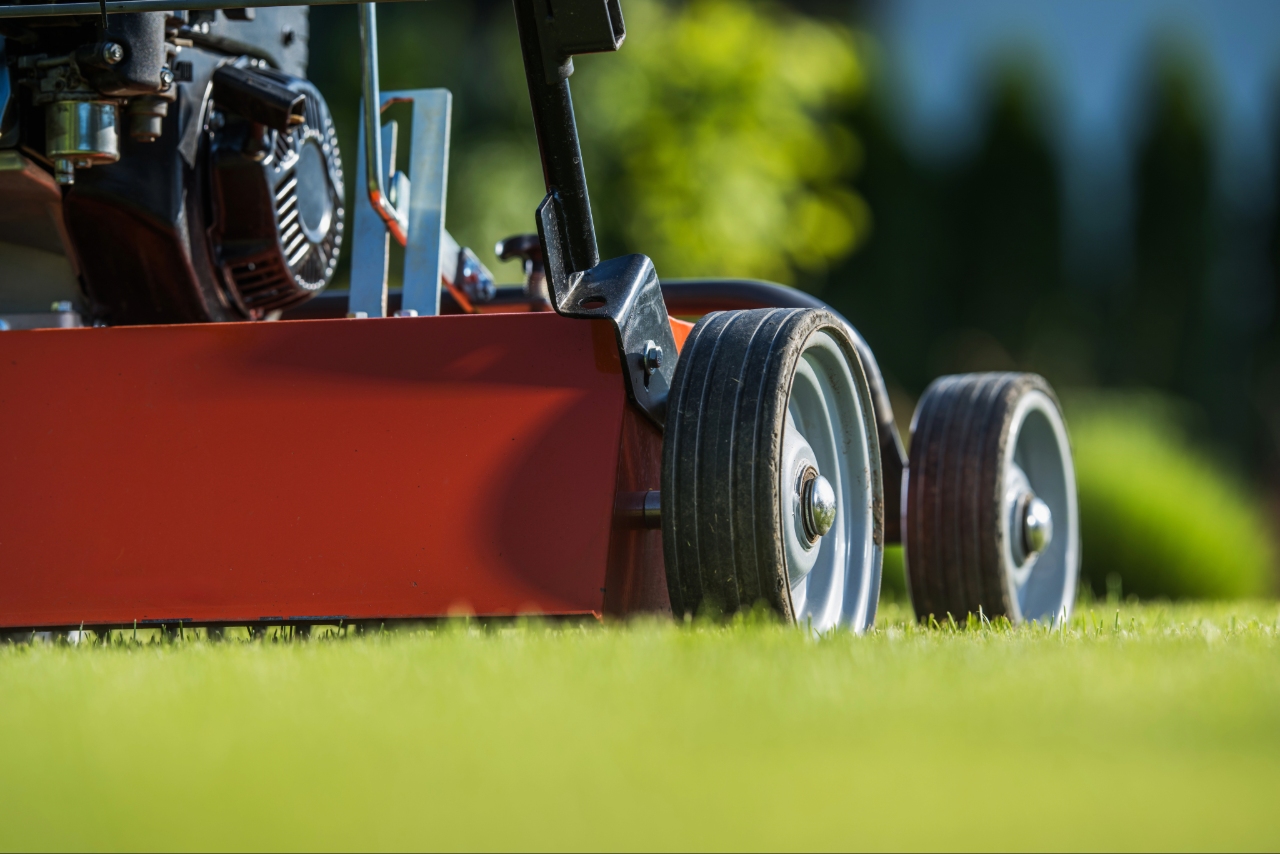
Compacted soil can make it more difficult for water and air to reach the root zone. This can result in weak growth, poor drainage, and increased runoff.
Consider Aeration for Compacted Areas
Aeration creates openings in compacted soil and can improve the movement of air, water, and nutrients into the root zone.
Heavy foot traffic can compact areas more quickly than other parts of the yard. Play areas, pathways, and sections near driveways may require additional attention.
Aeration can be especially helpful when water runs off the surface instead of soaking into the soil.
Pay Attention to Drainage
Standing water is a warning sign that something may be affecting drainage. Poor grading, compacted soil, heavy rainfall, or irrigation problems can all contribute to excess moisture.
If certain areas of the lawn remain wet for extended periods, homeowners should investigate the cause rather than simply adding more irrigation or fertilizer.
Good drainage supports healthier grass and can help reduce conditions that encourage disease and other lawn problems.
Use Fertilization Carefully
Grass uses nutrients as it grows. When the soil does not provide enough of the nutrients the lawn needs, growth may become thin, weak, or uneven.
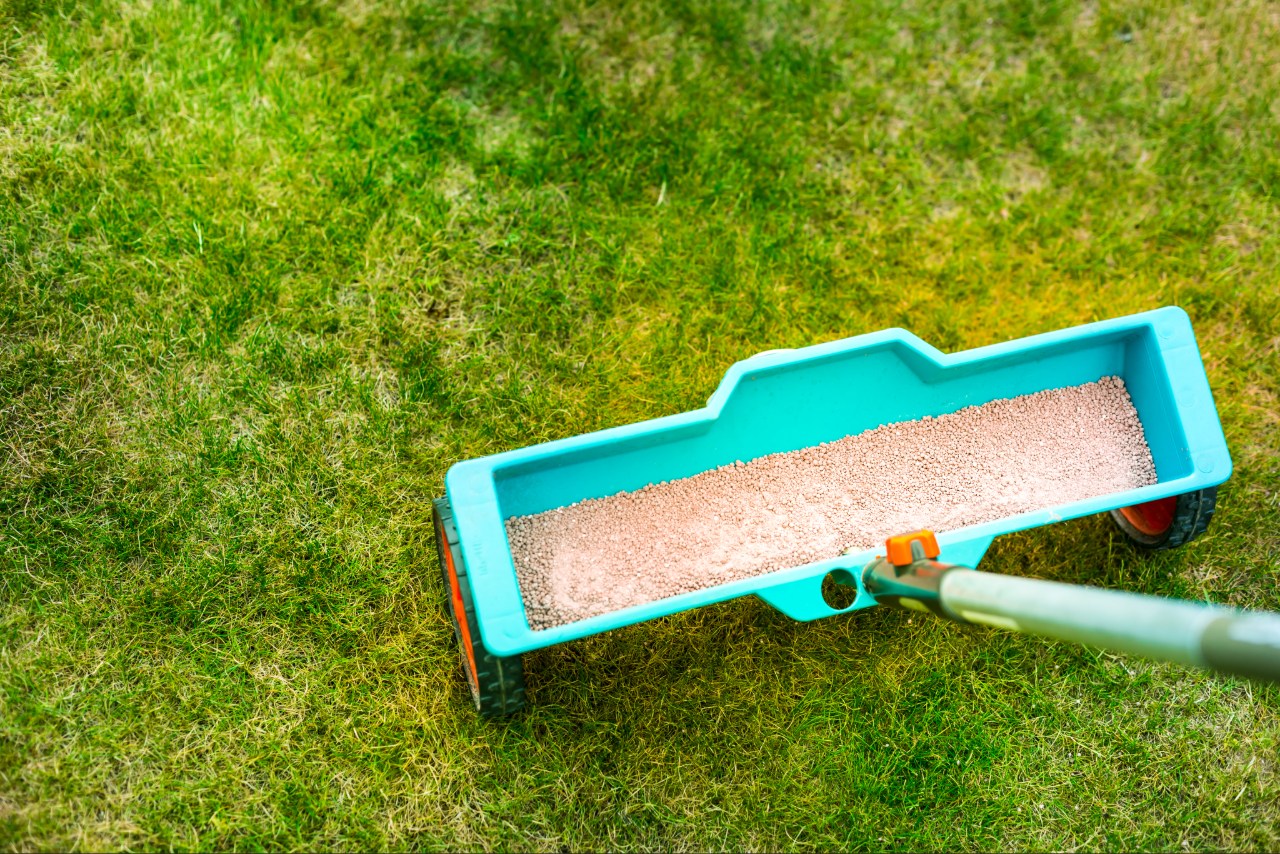
Fertilization can support healthier grass, but the timing and application rate are important. Applying too much fertilizer can damage the lawn and create unnecessary nutrient runoff.
A proper fertilization approach should take into account:
Grass type
Soil conditions
Time of year
Current lawn health
Local growing conditions
Homeowners should avoid assuming that more fertilizer automatically produces a greener lawn. Applying the right product at the appropriate time is generally more effective than overapplying nutrients.
Control Weeds Before They Become a Larger Problem
Weeds compete with grass for sunlight, water, space, and nutrients. When a lawn becomes thin or stressed, weeds may have more opportunities to establish themselves.
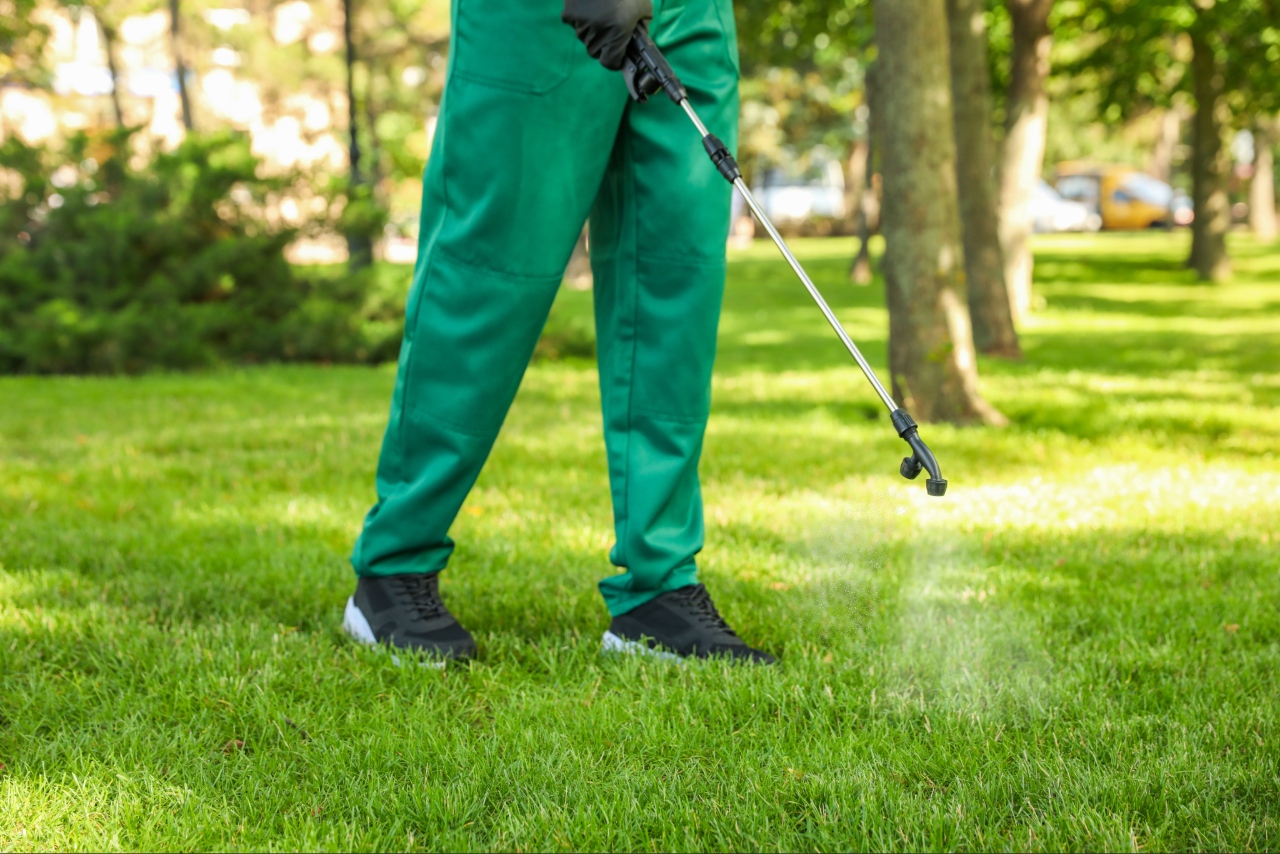
Regular lawn maintenance Asheville NC homeowners' performance should include monitoring for weeds and addressing problems before they spread across the property.
Why Healthy Grass Helps Prevent Weeds
A thick lawn naturally leaves less open space for weeds to grow. Proper mowing, watering, fertilization, and soil care all contribute to stronger turf.
However, even well-maintained lawns can experience weed growth. Different weeds may appear depending on the season, weather, soil conditions, and property characteristics.
Common signs of a developing weed problem include:
New plants growing differently from surrounding grass
Rapidly spreading patches
Bare areas becoming covered with unwanted vegetation
Weeds appearing along lawn edges and landscape beds
Early identification can make weed management easier.
Manage Leaves and Yard Debris
Seasonal debris can block sunlight and airflow from reaching the grass. A thick layer of leaves left on the lawn for extended periods may contribute to thin or damaged areas.
Regularly removing leaves, branches, and other debris helps keep the lawn surface clear.
This is especially important during the fall when leaves can accumulate quickly. Keeping the lawn clear also makes it easier to identify bare spots, weeds, drainage issues, and other problems that may otherwise remain hidden.
Watch for Signs of Lawn Stress
A healthy lawn can still experience problems. The key is recognizing warning signs early.
Homeowners should watch for:
Brown or yellow patches
Thin grass
Bare areas
Persistent weeds
Standing water
Unusual discoloration
Grass that pulls up easily
Excessive moss or fungal growth
The cause of a lawn problem is not always obvious. Brown grass, for example, can be caused by drought, overwatering, insects, disease, poor soil, or other conditions.
Treating the visible symptom without identifying the underlying cause may not solve the problem. A professional lawn evaluation can help determine what may be affecting the grass and what type of maintenance may be appropriate.
A Seasonal Approach to Lawn Maintenance

The best lawn maintenance Asheville NC strategy changes throughout the year. Different seasons create different maintenance priorities, and adjusting your routine can help the lawn respond better to changing conditions.
Spring Lawn Maintenance
Spring is an important time to inspect the lawn after winter and prepare for the growing season.
Important tasks may include:
Removing leaves and winter debris
Checking for bare or damaged areas
Inspecting irrigation systems
Addressing early weed growth
Beginning regular mowing as grass growth increases
Evaluating soil and lawn conditions
Spring maintenance helps establish a strong foundation for the rest of the growing season.
Summer Lawn Maintenance
Summer can place additional stress on grass due to heat, changing rainfall, and increased outdoor activity.
During summer, homeowners should pay attention to the following:
Mowing height
Soil moisture
Signs of drought stress
Irrigation performance
Insect activity
Fungal problems
Avoiding unnecessary stress during hot weather can help the lawn recover more effectively when conditions improve.
Fall Lawn Maintenance
Fall is an important period for preparing the lawn for the next growing season. Cooler conditions can make it easier to address certain maintenance needs.
Fall tasks may include:
Removing leaves
Aerating compacted soil
Addressing thin areas
Applying appropriate nutrients
Continuing mowing while grass is actively growing
Consistent fall maintenance helps prevent the lawn from entering the colder months with avoidable problems.
Winter Lawn Maintenance
Even when grass growth slows, the lawn should not be completely ignored.
Winter maintenance may include:
Removing heavy debris
Monitoring drainage
Limiting unnecessary traffic on stressed grass
Checking for areas of erosion
Planning future maintenance needs
Keeping the property clean and monitoring potential problems can make spring maintenance easier.
When Professional Lawn Maintenance Makes Sense
Many homeowners can handle basic mowing and cleanup, but maintaining a healthy lawn consistently requires time and knowledge.
Professional lawn maintenance may be helpful for homeowners who:
Have limited time for regular yard work
Are unsure why their lawn is declining
Have recurring weed problems
Struggle with uneven grass growth
Need help maintaining a larger property
Want a consistent maintenance schedule
Professional service can also provide a more consistent approach. Rather than waiting until the lawn looks unhealthy, regular maintenance helps you identify potential problems earlier.
For homeowners searching for lawn maintenance Asheville NC, Orion Lawn Service provides dependable support for keeping residential outdoor spaces clean, attractive, and properly maintained throughout the year.
Keep Your Asheville Lawn Healthy with Consistent Care
A healthy lawn is the result of regular attention rather than one-time maintenance. Mowing properly, watering responsibly, supporting soil health, controlling weeds, managing debris, and adjusting care throughout the seasons all contribute to better lawn performance.
The best lawn maintenance Asheville NC approach is one that matches the needs of the property and changes as conditions change. By monitoring your lawn regularly and addressing small problems early, you can help maintain a healthier and more attractive yard throughout the year.
If maintaining your lawn has become difficult to fit into your schedule, Orion Lawn Service can help homeowners maintain their outdoor spaces with dependable lawn care and maintenance services.
Frequently Asked Questions
1. How often should I perform lawn maintenance in Asheville, NC?
Lawn maintenance should be performed regularly throughout the year. Mowing frequency depends on grass growth, while watering, weed control, fertilization, debris removal, and seasonal maintenance should be adjusted based on weather and lawn conditions.
2. What is the most important part of lawn maintenance?
There is no single task that keeps every lawn healthy. Consistent mowing, proper watering, soil care, fertilization, weed control, and seasonal maintenance all work together to support healthy grass.
3. Why is my lawn turning brown in Asheville, NC?
Brown grass can result from drought stress, overwatering, poor drainage, compacted soil, insects, disease, or nutrient problems. Identifying the underlying cause is important before choosing a treatment.
4. How can I prevent weeds from taking over my lawn?
Maintaining thick, healthy grass is one of the best ways to reduce weed growth. Proper mowing, watering, fertilization, soil care, and timely weed management can help prevent weeds from becoming established.
5. Should I hire a professional for lawn maintenance?
Professional lawn maintenance can be beneficial for homeowners who do not have the time, equipment, or knowledge to maintain their property consistently. Regular professional care can also help identify lawn problems before they become more serious.
6. Does lawn maintenance need to change with the seasons?
Yes. Spring, summer, fall, and winter bring different conditions and maintenance needs. Mowing, watering, fertilization, debris removal, and other tasks should be adjusted based on the season and condition of the lawn.
