Lawn Care Tips for Asheville NC Homes | Orion Lawn Service
Lawn Care Tips Asheville NC Homeowners Need for a Greener Yard Year-Round
A beautiful lawn requires consistent care, the right maintenance approach, and an understanding of local growing conditions. These lawn care tips Asheville NC homeowners can follow will help create a healthier, greener yard throughout every season. From proper mowing and watering to fertilization and weed control, maintaining a thriving lawn in Asheville requires strategies that match the area's unique climate, soil conditions, and seasonal changes.
At Orion Lawn Service, we help homeowners throughout Asheville, NC maintain attractive and healthy outdoor spaces with reliable lawn maintenance, landscaping, and seasonal care solutions.
Why Lawn Care Matters
A lush lawn offers much more than visual appeal. Healthy grass helps reduce soil erosion, improves drainage, filters pollutants, and creates a comfortable outdoor environment for your family. Consistent lawn maintenance also prevents small issues from becoming costly repairs later.
Neglected lawns often develop problems such as:
Bare patches
Weed infestations
Compacted soil
Poor drainage
Brown or thinning grass
Increased insect activity
Lawn diseases
Regular maintenance keeps these issues under control before they spread across your property.
Lawn Care Tips for Asheville NC's Changing Seasons
With Asheville's four distinct seasons, lawns experience different challenges throughout the year. Cool temperatures, summer humidity, heavy rainfall, and shaded properties can all affect grass growth and lawn health.
Spring Lawn Care in Asheville, NC
Spring is an important time for Asheville homeowners to prepare their lawns after winter dormancy. Recommended tasks include:
Removing winter debris
Testing soil conditions
Applying proper fertilizer
Repairing damaged areas
Controlling early-season weeds
Summer Lawn Care in Asheville, NC
Summer conditions in Western North Carolina can bring heat, humidity, and occasional dry periods. Homeowners should:
Water lawns deeply when needed
Maintain proper mowing height
Watch for fungal issues
Monitor shaded areas for moss growth
Fall Lawn Care in Asheville, NC
Fall is one of the most important seasons for lawn preparation. Cooler temperatures create ideal conditions for:
Overseeding
Aeration
Fertilization
Leaf removal
Root development
Understand Your Lawn's Needs
Every lawn is unique. Grass type, soil quality, sunlight exposure, irrigation, and local weather all affect how you should maintain your yard.
Some areas receive full sun all day, while others remain shaded beneath trees. Certain sections may drain quickly, while low spots collect standing water after rain. Recognizing these differences allows homeowners to provide better care for every part of the landscape.
Professional lawn evaluations can identify issues that aren't immediately visible, including nutrient deficiencies, compacted soil, and irrigation problems.
Mow Properly Throughout the Growing Season
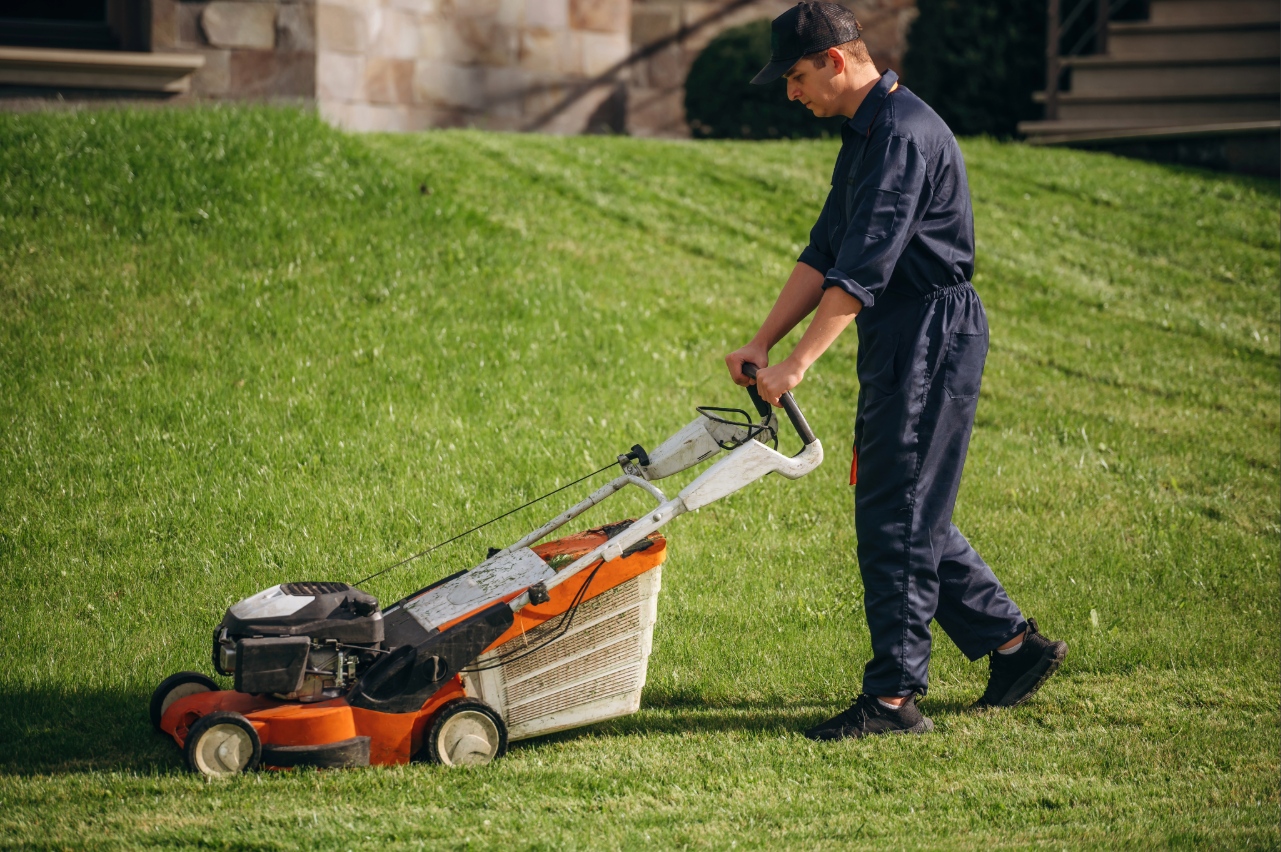
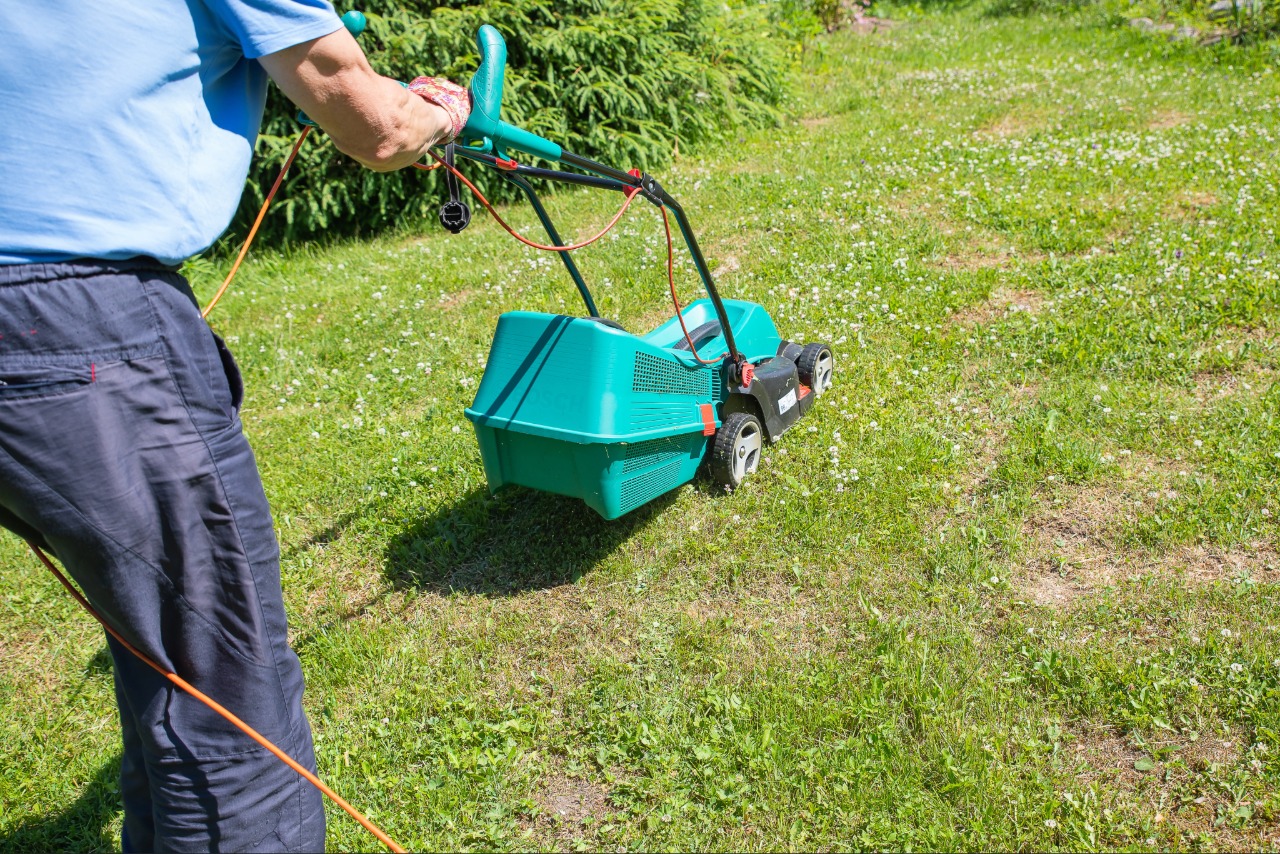
One of the most overlooked lawn care tips is proper mowing. Cutting grass too short weakens the root system and leaves the lawn vulnerable to weeds, disease, and heat stress.
Best mowing practices include:
Never remove more than one-third of the grass blade.
Keep mower blades sharp.
Alternate mowing patterns.
Avoid mowing wet grass.
Leave small grass clippings to naturally recycle nutrients.
Consistent mowing encourages thicker grass growth, making it more difficult for weeds to establish themselves.
Keep Your Mower Blades Sharp
Dull mower blades tear grass instead of cutting it cleanly. Torn grass blades lose moisture faster and become more susceptible to fungal diseases.
Sharpen mower blades several times during the growing season to ensure every cut promotes healthier grass.
Water Deeply Instead of Frequently
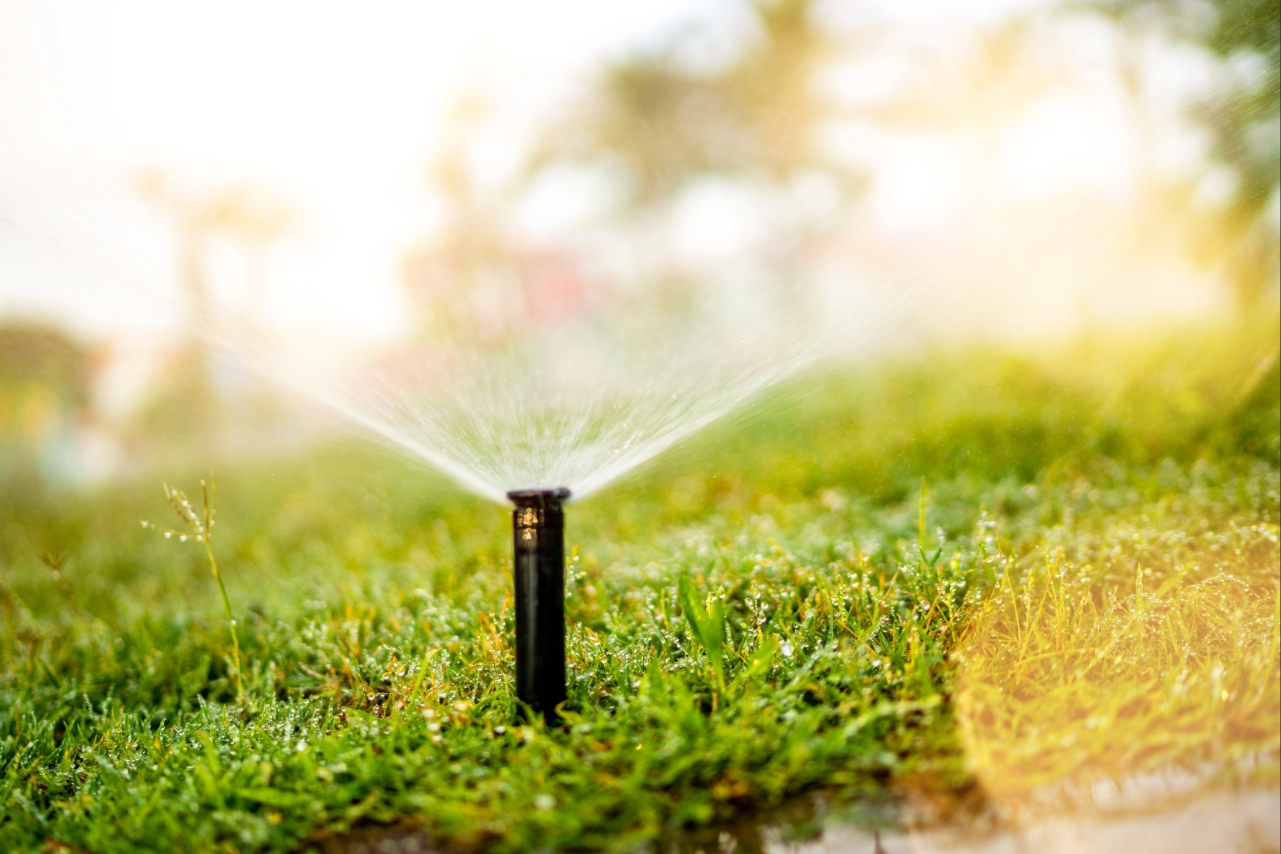
Watering habits greatly affect lawn health. Light daily watering encourages shallow roots, making grass more vulnerable during dry periods.
Instead:
Water deeply.
Water early in the morning.
Avoid evening irrigation whenever possible.
Adjust watering schedules after rainfall.
Deep watering encourages roots to grow further into the soil where moisture remains available longer.
Watch for Signs of Overwatering
Too much water can be just as harmful as too little.
Common signs include:
Mushy soil
Standing water
Yellowing grass
Increased fungal growth
Mosquito activity
Finding the right watering balance promotes stronger root development and healthier turf.
Feed Your Lawn with Proper Fertilization
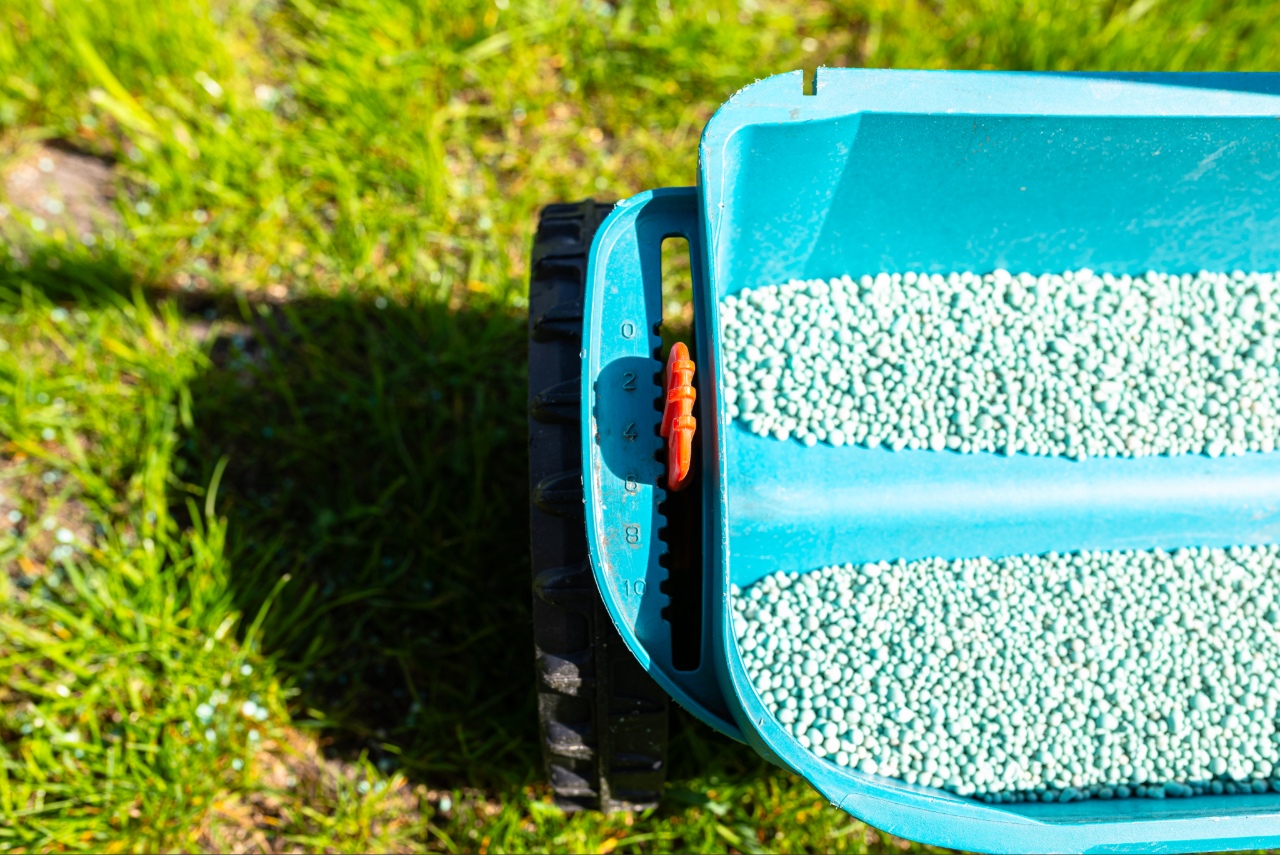
Grass continually uses nutrients from the soil as it grows. Fertilization replaces these nutrients and supports stronger roots, greener blades, and improved resistance to stress.
A balanced fertilization program typically includes:
Nitrogen for growth
Phosphorus for root development
Potassium for disease resistance
The timing and type of fertilizer should match your grass variety and local growing conditions.
Applying too much fertilizer can damage grass, while applying too little may limit healthy growth. Professional lawn care programs take the guesswork out of fertilization schedules.
Control Weeds Before They Spread
Weeds compete directly with healthy grass for sunlight, nutrients, and water. Once established, they can quickly dominate a lawn if left untreated.
Common lawn weeds include:
Crabgrass
Dandelions
Clover
Nutsedge
Spurge
Preventive weed control is often more effective than treating mature weeds.
Maintaining thick, healthy grass naturally limits the available space for unwanted plants to grow.
Improve Soil Health
Healthy grass begins below the surface.
Soil supplies water, oxygen, and nutrients to the root system. Poor soil quality limits even the best lawn maintenance efforts.
Homeowners can improve soil health by:
Adding organic matter
Aerating compacted areas
Testing soil pH
Applying recommended soil amendments
Reducing heavy foot traffic
Healthy soil creates an environment where grass can establish deeper, stronger roots.
Aerate Compacted Lawns
Heavy foot traffic and equipment gradually compact the soil. Compacted soil prevents oxygen, water, and nutrients from reaching the roots.
Core aeration removes small plugs of soil, allowing the lawn to breathe while improving nutrient absorption.
Benefits include:
Stronger root growth
Improved drainage
Better fertilizer absorption
Reduced water runoff
Healthier turf density
Lawns that receive regular aeration often recover faster from heat and drought stress.
Watch for Lawn Pests
Many insects feed on grass roots or blades without homeowners noticing until visible damage appears.
Common lawn pests include:
Grubs
Chinch bugs
Armyworms
Sod webworms
Mole crickets
Signs of pest activity may include irregular brown patches, thinning grass, or areas that pull up easily due to damaged roots.
Routine inspections help identify problems before widespread damage occurs.
Monitor for Lawn Diseases
Fungal diseases often develop during periods of high humidity, excessive moisture, or poor air circulation.
Common lawn diseases include:
Brown patch
Dollar spot
Leaf spot
Rust
Fairy ring
Many diseases resemble drought stress, making accurate diagnosis important before treatment begins.
Proper mowing, irrigation, and fertilization significantly reduce disease risk while keeping the lawn healthy throughout the year.
Seasonal Lawn Care Makes a Big Difference
Following the same lawn care routine all year isn't always the best approach. As temperatures, rainfall, and growing conditions change, your lawn's needs change too. Adjusting your maintenance schedule with the seasons helps your grass stay healthy and recover from environmental stress more effectively.
Spring Lawn Care
Spring is the ideal time to prepare your lawn for the growing season.
Important spring tasks include:
Remove leaves, sticks, and winter debris.
Inspect the lawn for bare or damaged areas.
Begin a regular mowing schedule.
Apply fertilizer as recommended for your grass type.
Address early weed growth before it spreads.
Check your irrigation system for leaks or broken sprinkler heads.
A strong start in spring sets the foundation for a healthy lawn throughout the year.
Summer Lawn Care
Summer heat can put significant stress on grass, especially during periods of drought or extreme temperatures.
To protect your lawn during summer:
Water deeply rather than frequently.
Raise your mower height slightly to shade the soil.
Avoid mowing during the hottest part of the day.
Watch for insect activity and fungal diseases.
Minimize heavy foot traffic during dry conditions.
Keeping your lawn hydrated without overwatering is one of the most effective ways to maintain healthy growth during the hottest months.
Fall Lawn Care
Fall is an excellent time to strengthen your lawn after the stress of summer.
Recommended fall maintenance includes:
Continue mowing until growth slows.
Remove fallen leaves regularly.
Aerate compacted soil if needed.
Fertilize to encourage strong root development.
Repair thin or damaged areas.
Healthy roots developed during fall help the lawn recover more quickly when spring arrives.
Winter Lawn Care
Although grass growth slows during winter, basic maintenance remains important.
Homeowners should:
Keep lawns free of heavy debris.
Avoid excessive foot traffic on dormant grass.
Monitor drainage issues.
Prepare equipment for the next growing season.
Schedule professional inspections if necessary.
Small maintenance tasks during winter help reduce problems when active growth resumes.
Common Lawn Care Mistakes to Avoid
Even homeowners with the best intentions sometimes make mistakes that negatively affect lawn health.
Some of the most common mistakes include:
Cutting Grass Too Short
Scalping the lawn weakens grass and exposes soil to direct sunlight, encouraging weed growth.
Watering Every Day
Daily shallow watering prevents deep root development and increases disease risk.
Ignoring Soil Health
Healthy grass depends on healthy soil. Fertilizer alone cannot solve underlying soil problems.
Using Dull Equipment
Dull mower blades tear grass instead of cutting it cleanly, leaving the lawn vulnerable to disease.
Delaying Weed Control
Waiting until weeds have spread often makes them much more difficult to eliminate.
Applying Too Much Fertilizer
More fertilizer doesn't always mean better results. Excess nutrients can burn grass and contribute to runoff.
Benefits of Hiring a Professional Lawn Care Company
While many homeowners enjoy caring for their own lawns, professional lawn care provides expertise, consistency, and long-term value.

Professional lawn services can help with:
Routine lawn mowing
Fertilization programs
Weed control
Landscape maintenance
Seasonal cleanups
Irrigation monitoring
Lawn health evaluations
Pest and disease identification
Working with experienced professionals helps ensure your lawn receives the right care at the right time throughout the year.
At Orion Lawn Service, we understand that every property is different. Our team provides dependable lawn maintenance and landscaping services in Asheville NC are designed to keep your yard healthy, attractive, and enjoyable in every season.
Healthy Lawns Start with Consistent Care
Beautiful lawns don't just happen with occasional maintenance; they require consistent attention throughout the year. By following proven lawn care tips, homeowners can promote stronger roots, greener grass, and a landscape that enhances the appearance and value of their property.
Whether it's proper mowing, smart watering practices, fertilization, weed control, or seasonal maintenance, every step contributes to long-term lawn health.
If you're ready to spend less time worrying about your yard and more time enjoying it, Orion Lawn Service is here to help with professional lawn care solutions tailored to your property's unique needs.
Frequently Asked Questions
1. How often should I mow my lawn?
Most lawns benefit from mowing once a week during the growing season. However, the frequency depends on grass growth, weather conditions, and the type of grass. Always avoid removing more than one-third of the grass blade at a time.
2. What is the best time of day to water a lawn?
The best time to water is early in the morning. This allows moisture to soak into the soil before the heat of the day while reducing evaporation and lowering the risk of fungal diseases.
3. When should I fertilize my lawn in Asheville, NC?
The ideal fertilization schedule depends on your grass type, but many Asheville lawns benefit from seasonal applications during active growing periods, especially spring and fall.
4. How can I prevent weeds from taking over my lawn?
Maintaining a thick, healthy lawn through proper mowing, fertilization, watering, and timely weed control is the most effective way to prevent weeds from becoming established.
5. What are the best lawn care practices for Asheville, NC homes?
The best lawn care practices for Asheville homes include proper mowing, seasonal fertilization, aeration, weed control, and adjusting maintenance based on Western North Carolina's changing weather conditions.
