Lawn Aeration Asheville NC: 7 Benefits for Healthier, Stronger Grass
Lawn aeration Asheville NC homeowners use can be an important part of maintaining healthier and stronger grass. Over time, soil can become compacted from foot traffic, mowing equipment, weather, and normal use of the property. When soil becomes too compacted, grass roots may have difficulty accessing the air, water, and nutrients they need.
Aeration addresses this problem by creating small openings in the soil. These openings allow air, water, and nutrients to move more effectively into the root zone, creating better conditions for grass growth.
For homeowners in Asheville, regular lawn care should take into account the condition of the soil as well as what is happening above the surface. A lawn may look green while still struggling with compacted soil underneath. Recognizing the signs early can help homeowners determine when aeration may be beneficial.
Orion Lawn Care & Maintenance lists Asheville Aeration among its lawn care services and describes aeration as a process that perforates the soil to allow air, water, and nutrients to penetrate the grass.
What Is Lawn Aeration?
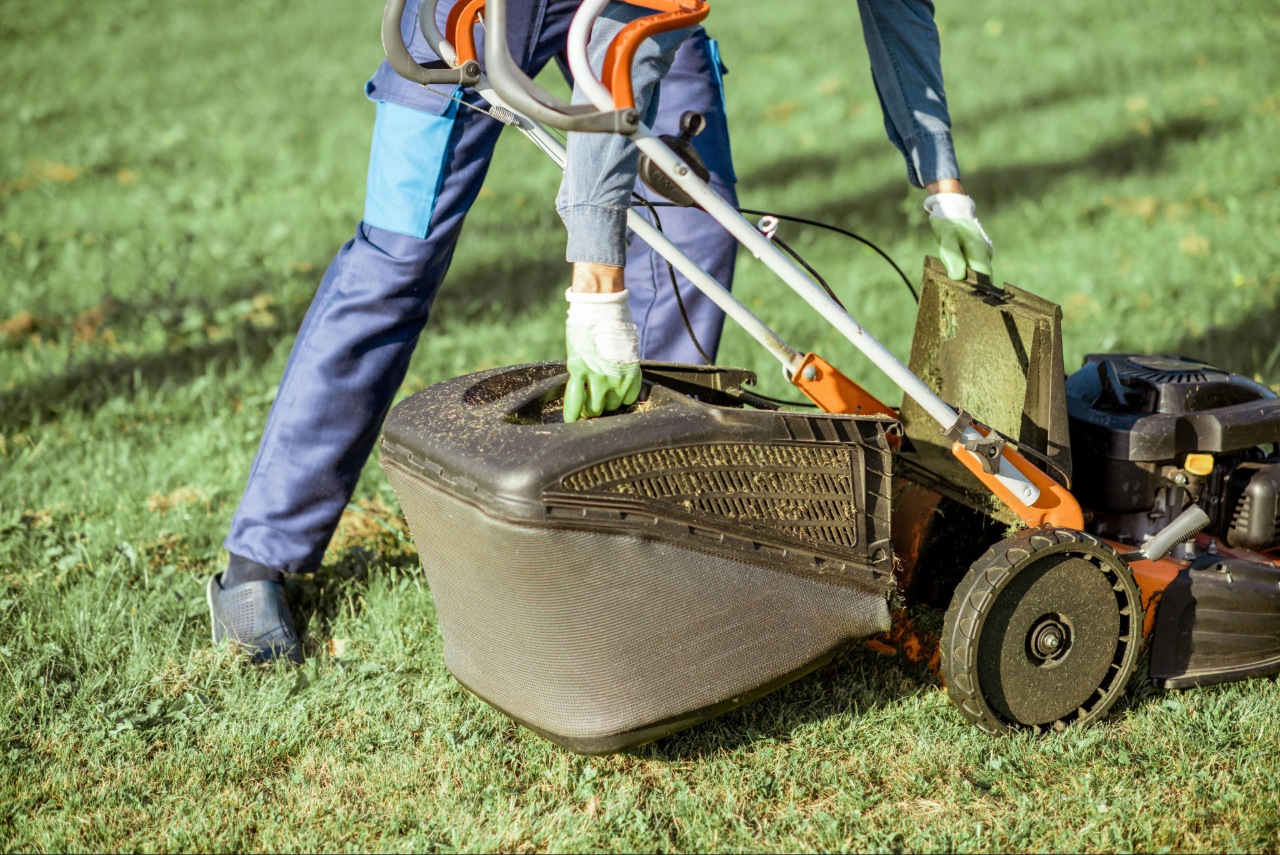
Lawn aeration is the process of creating openings in compacted soil to improve the movement of air, water, and nutrients into the soil around grass roots.
Grass roots need access to all three. When soil becomes heavily compacted, the spaces between soil particles become restricted. Water may have difficulty moving into the root zone, while roots can struggle to receive enough oxygen.
Aeration helps open those pathways.
A common professional approach is core aeration, which removes small plugs or cores of soil from the lawn. The resulting openings give the soil more room and create pathways for water, air, and nutrients.
The goal is not simply to make holes in the lawn. The goal is to improve the growing environment beneath the grass.
Why Soil Compaction Happens
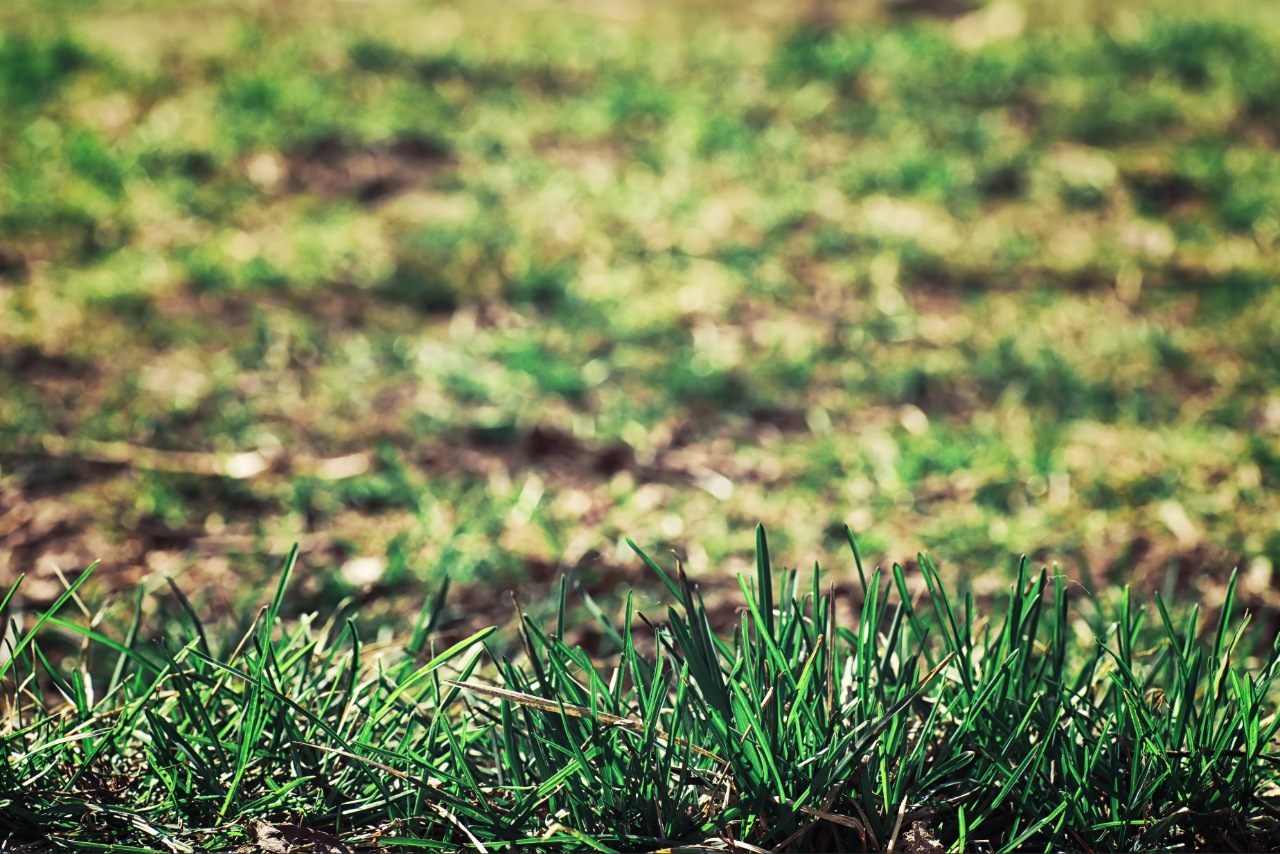
Soil compaction can occur for several reasons.
Common causes include:
Frequent foot traffic
Children playing on the lawn
Pets repeatedly using the same areas
Lawn equipment traveling across the property
Construction activity
Heavy rainfall
Poor soil structure
Areas that receive frequent traffic may become compacted faster than areas that are rarely used.
Once soil becomes compacted, grass may begin showing visible signs of stress.
7 Benefits of Lawn Aeration
1. Reduces Soil Compaction
One of the primary reasons homeowners consider lawn aeration Asheville NC services is to address compacted soil.
Compacted soil restricts the movement of air, water, and nutrients. It can also make it more difficult for grass roots to expand through the soil.
Aeration creates openings that loosen the soil structure and provide roots with improved access to the resources they need.
Signs of Compacted Soil
You may have compacted soil if you notice:
Water sitting on the lawn after rainfall
Water running off instead of soaking into the soil
Thin or weak grass
Bare patches
Difficulty pushing a soil probe into the ground
Grass struggling in high-traffic areas
These signs do not automatically mean aeration is the solution, but they can indicate that the soil deserves closer attention.
2. Improves Water Movement Into the Soil
Water needs to reach grass roots rather than simply remain on the surface.
When soil is compacted, rainfall and irrigation may have difficulty penetrating deeply enough into the root zone. Instead, water may run across the surface or collect in low areas.
Aeration creates pathways that can help water move into the soil.
This can be particularly useful when a lawn has areas that appear consistently dry even though the property receives regular rainfall or irrigation.
Better Water Access Supports Root Growth
Grass roots need adequate moisture to grow and function properly.
Improving the movement of water into the soil can create better conditions for deeper root development. However, aeration should be considered as one part of a broader lawn care strategy rather than a replacement for proper watering and drainage management.
3. Helps Nutrients Reach Grass Roots
Fertilizer and other nutrients are most useful when they can reach the root zone.
Compacted soil can interfere with nutrient movement in the soil. Aeration opens pathways that can help nutrients move more effectively toward grass roots.
This is one reason aeration can work well as part of a broader lawn care program.
Aeration and Fertilization Can Work Together
Aeration may improve a lawn's access to nutrients applied afterward.
Homeowners should still use the appropriate fertilizer and application rate for their particular lawn. More fertilizer is not necessarily better, and excessive applications can create other problems.
The objective is to create healthy growing conditions rather than simply adding more products to the lawn.
4. Encourages Stronger Root Development
Healthy grass depends on healthy roots.
Grass with a strong root system is generally better positioned to access water and nutrients and recover from normal environmental stress.
Compacted soil can restrict root growth by limiting the available space beneath the surface.
Aeration creates additional openings in the soil, giving roots opportunities to grow into areas that may previously have been difficult to penetrate.
Why Root Health Matters
The visible grass blades are only part of the lawn.
A lawn can appear reasonably healthy while its root system is struggling because of compacted soil. Therefore, paying attention to what happens below the surface is as important as maintaining the grass's appearance.
5. Helps Improve Lawn Health in High-Traffic Areas

Some sections of a property experience considerably more activity than others.
For example, grass near the
Walkways
Driveways
Outdoor seating areas
Children's play areas
Gates
Frequently used entrances
may experience repeated traffic.
Foot traffic presses soil particles together over time. If people repeatedly walk across the same areas, compaction can become more pronounced.
Aeration can help relieve some of that compaction and improve the growing conditions around the grass roots.
High-Traffic Areas Need Extra Attention
If one section of your lawn repeatedly becomes thin while the rest of the property remains healthy, soil compaction may be one factor worth investigating.
However, other causes—including inadequate sunlight, drainage problems, pests, disease, or unsuitable grass—can also produce thin areas.
A proper evaluation is important before deciding what treatment the lawn needs.
6. Supports Better Lawn Recovery
Lawns experience stress throughout the year.
Heat, heavy rainfall, foot traffic, mowing, and changing seasonal conditions can all affect grass health.
A lawn growing in compacted soil may have a harder time recovering because its roots have limited access to air, water, and nutrients.
Aeration can improve the soil environment and provide roots better access to the resources necessary for growth.
This does not mean aeration immediately fixes every lawn problem. Instead, it creates conditions that can support healthier growth when combined with appropriate mowing, watering, fertilization, and other lawn care practices.
7. Creates Better Growing Conditions for a Healthier Lawn
The biggest benefit of aeration is the improvement it can make to the growing environment beneath your lawn.
When soil has adequate pore space, grass roots have improved opportunities to access the following:
Air
Water
Nutrients
Growing space
A healthier root environment can contribute to stronger turf and better overall lawn performance.
This is why aeration is often considered a useful component of comprehensive lawn care rather than simply a cosmetic treatment.
When Should You Consider Lawn Aeration?
The right time for aeration depends on the grass type, soil condition, weather, and the lawn's current growth cycle.
Homeowners should not automatically aerate simply because it is a particular month.
Instead, consider the condition of the lawn.
Aeration may be worth considering when:
Soil feels hard and compacted
Water runs off the surface
Grass is thin despite regular maintenance
High-traffic areas are struggling
The lawn has difficulty recovering from stress
Roots appear to have limited growing space
A lawn care professional can evaluate the property and determine whether aeration makes sense.
What Happens After Aeration?
After aeration, homeowners may notice small plugs or cores of soil across the lawn if core aeration was done.
These plugs can look unusual at first, but they are part of the aeration process.
Over time, they break down and return organic material to the lawn surface.
After aeration, continuing to follow appropriate lawn care practices is important. Proper watering, mowing, and nutrient management can help the lawn take advantage of the improved soil conditions.
Professional Lawn Aeration in Asheville
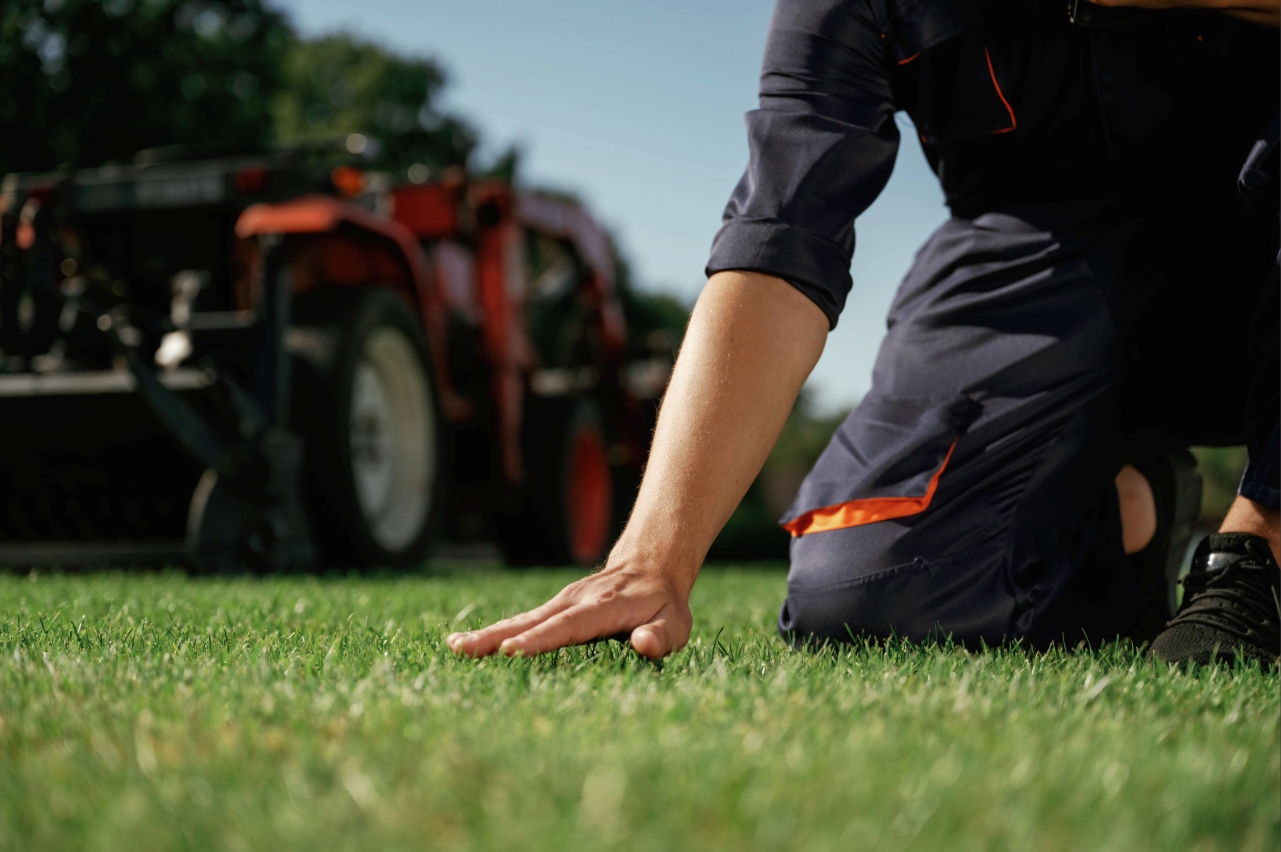
For homeowners considering lawn aeration Asheville, NC, professional equipment can make the process more efficient and consistent.
Orion Lawn Care & Maintenance specifically lists Asheville Aeration as one of its services.
Professional aeration can be particularly useful when a property has heavily compacted areas, difficult soil conditions, or a large lawn that would be challenging to aerate using residential equipment.
Rather than guessing whether aeration is needed, homeowners can have the lawn evaluated and determine whether addressing soil compaction should be part of their maintenance plan.
Build a Healthier Lawn from the Soil Up
A healthy lawn starts beneath the surface.
Grass needs room for roots to grow and access to air, water, and nutrients. When soil becomes compacted, those resources can become more difficult for roots to access.
Lawn aeration can help improve these conditions by opening the soil and creating pathways into the root zone.
For Asheville homeowners, aeration can be a valuable addition to a broader lawn care program, particularly when compacted soil, heavy traffic, poor water penetration, or weak grass growth are concerns.
If your lawn is struggling despite regular mowing and watering, the problem may not be the grass itself. The soil underneath may need attention.
Orion Lawn Care & Maintenance provides aeration services in Asheville as part of its lawn care offerings.
Frequently Asked Questions
1. What is lawn aeration?
Lawn aeration is the process of creating openings in compacted soil to improve the movement of air, water, and nutrients around grass roots. Core aeration is one common method that removes small plugs of soil from the lawn.
2. How do I know if my Asheville lawn needs aeration?
Signs may include compacted or dense soil, water running off instead of soaking into the ground, thin grass, bare patches, and areas that receive frequent foot traffic. A professional evaluation can help determine whether compaction is contributing to the problem.
3. What are the benefits of lawn aeration?
Aeration can reduce soil compaction, improve water movement, help nutrients reach grass roots, encourage root development, and create better growing conditions for turf.
4. How often should a lawn be aerated?
The ideal frequency depends on soil conditions, grass type, traffic, and the lawn's condition. Lawns with significant compaction or heavy traffic may need aeration more frequently than lawns with loose, healthy soil.
5. What should I do after lawn aeration?
Continue appropriate watering and lawn care after aeration. If fertilizer or other treatments are part of your lawn care plan, follow the recommended timing and application instructions for your grass and soil conditions.
6. Can professional lawn aeration help compacted soil?
Yes. Professional aeration equipment can create openings throughout compacted areas, improving pathways for air, water, and nutrients. A lawn professional can also help determine whether compaction is actually the cause of poor lawn growth.
