
Bush Trimming in Asheville NC: 7 Signs Your Shrubs Need Trimming
Bush trimming in Asheville, NC, can help homeowners keep shrubs attractive, manageable, and healthy throughout the year. Bushes and shrubs are important parts of a residential landscape, but without regular attention, they can become overgrown, misshapen, crowded, or filled with damaged branches.
In Asheville, shrubs experience changing conditions throughout the year. Seasonal growth, rainfall, sunlight, cold weather, and the individual growth habits of each plant can all influence when trimming is appropriate.
At Orion Lawn Care & Maintenance, we understand that proper shrub maintenance involves more than cutting branches until a plant looks smaller. Professional bush trimming in Asheville, NC, should consider the plant's natural shape, condition, flowering habits, location, and role within the landscape.
Knowing when your shrubs need attention can help you address excessive growth before it becomes more difficult to manage.
Here are seven signs that it may be time to consider professional bush trimming in Asheville, NC, for your property.

1. Your Shrubs Have Become Overgrown
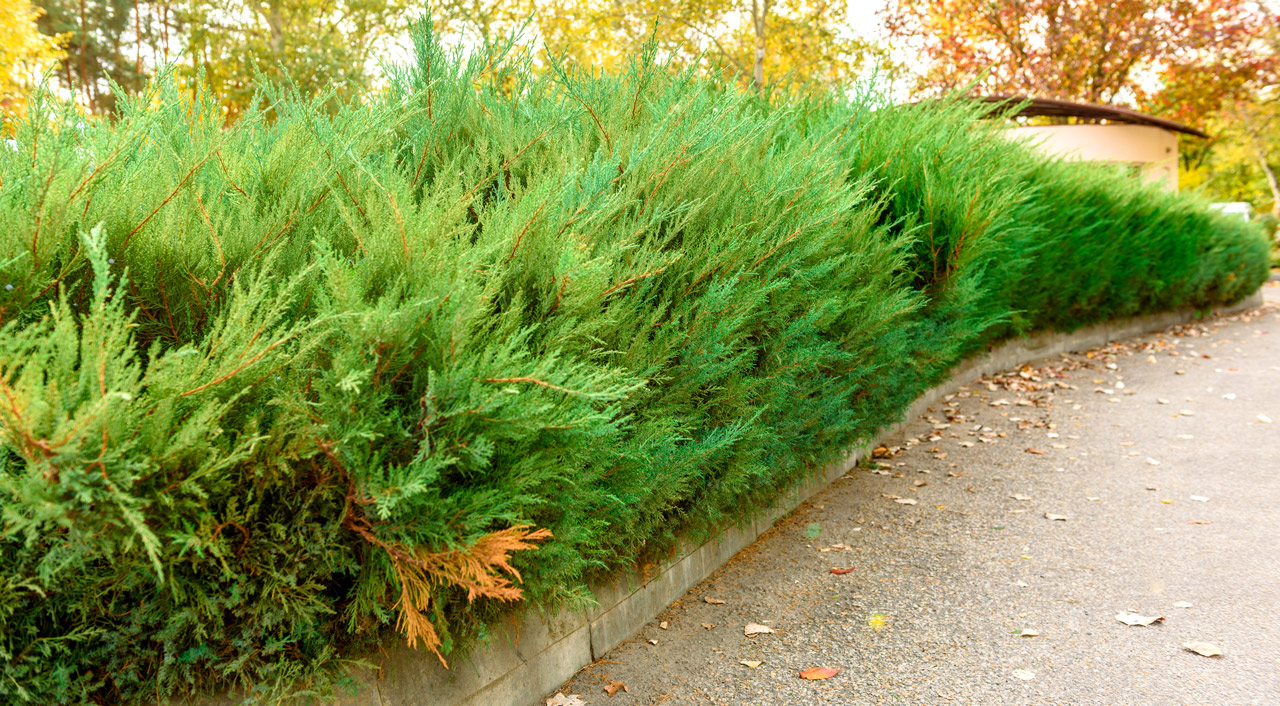
One of the most obvious signs that shrubs need trimming is excessive growth.
Healthy shrubs naturally produce new branches and foliage, but eventually that growth can extend beyond the space originally intended for the plant.
An overgrown shrub may begin covering nearby plants, extending into the lawn, growing over landscape edging, or overwhelming other features around the property.
Some shrubs can also become top-heavy or lose their natural shape when growth is allowed to continue without maintenance.
Professional bush trimming in Asheville, NC, can help control excessive growth while maintaining a shape that suits both the plant and its location.
However, simply cutting every branch back to the same point is not always the best approach. Different shrubs respond differently to pruning, and some benefit more from selective thinning than repeated shearing.
NC State Extension explains that shrubs have different pruning requirements depending on their species, growth characteristics, and flowering habits. Shrub pruning may also be performed regularly when plants are being maintained for a particular landscape function, such as a formal hedge.
2. Branches Are Blocking Walkways, Windows, or Entrances
Shrubs should complement your home rather than interfere with how you use the property.
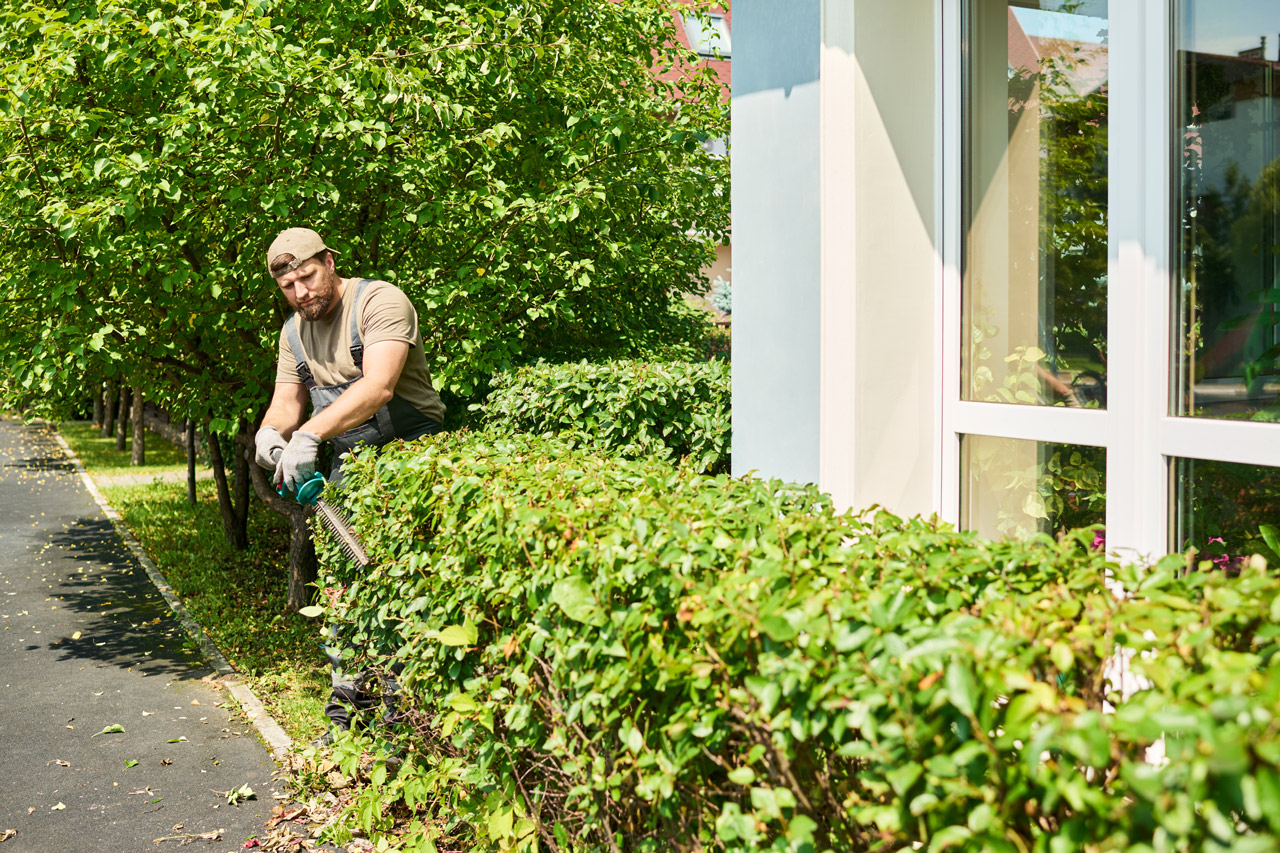
When branches begin extending across sidewalks, driveways, steps, entrances, or other frequently used spaces, trimming may become necessary.
Shrubs planted beneath windows can also eventually grow high enough to block views or cover architectural features.
In these situations, bush trimming in Asheville, NC, is about more than improving appearance. Controlling excessive growth can help maintain clear access around the property and prevent plants from overwhelming spaces where they no longer fit comfortably.
This is particularly important when shrubs grow close to:
Front entrances
Walkways
Driveways
Porch steps
Windows
Outdoor living areas
Utility access points
Waiting until a shrub completely overtakes a walkway can make the eventual trimming more extensive.
Regular maintenance can help control the size of shrubs before they become severely overgrown.
How Bush Trimming in Asheville, NC, Improves Landscape Proportion
Shrubs are usually selected and planted with a particular landscape purpose in mind.
Some create borders. Others frame entrances, soften building foundations, provide privacy, or add color and texture.
As shrubs mature, their size can change the visual balance of the property.
Professional trimming can help keep plants proportional to the house and surrounding landscape instead of allowing individual shrubs to dominate the space.
3. You Notice Dead, Broken, or Weak Branches
Take a closer look inside your shrubs.
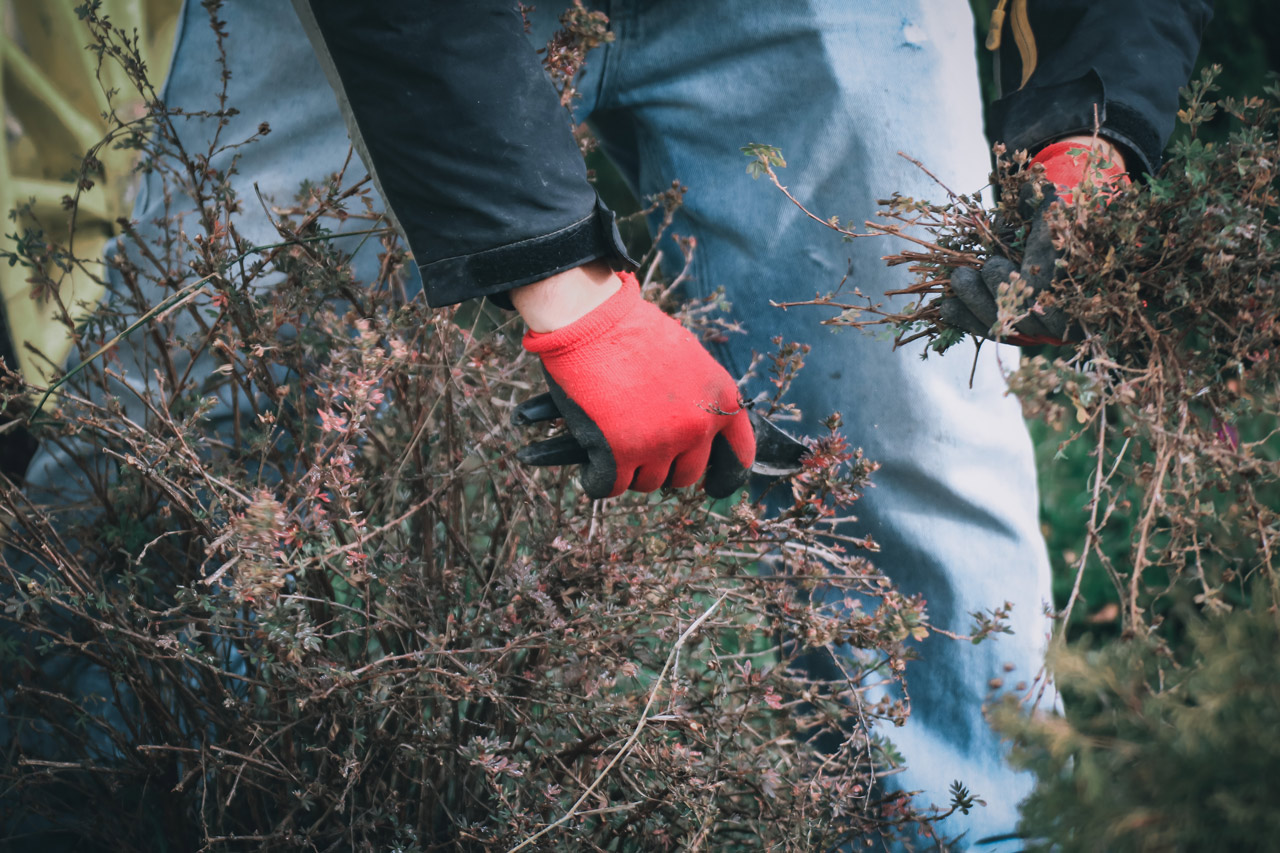
Dead, damaged, weak, or broken branches are signs that some pruning may be appropriate.
These branches can occur because of weather, natural aging, physical damage, plant stress, or other environmental conditions.
NC State Extension recommends removing broken, dead, weak, and heavily shaded branches as part of general pruning practices.
Removing unwanted growth can also make it easier to see the remaining structure of the shrub.
The important point is that bush trimming in Asheville, NC, should not automatically mean cutting every shrub into a perfectly round or square shape. In many situations, selective pruning is more appropriate because it removes specific problem branches while preserving the plant's natural form.
Look Beyond the Outside of the Shrub
A shrub may appear healthy from several feet away while still containing dead or crowded growth inside the canopy.
This is one reason simply shearing the outside surface does not always address the actual condition of the plant.
Selective thinning removes branches at appropriate points and can create a more open plant without dramatically changing its natural appearance.
4. The Shrub Has Become Too Dense
Dense growth can make a shrub look full and healthy, but excessive density is not always desirable.
Repeatedly cutting only the outside of certain shrubs can encourage dense exterior growth while leaving less foliage toward the interior.
The result may be a plant that looks green on the outside but has sparse, woody growth inside.
NC State Extension explains that repeated heading without appropriate thinning can create top-heavy growth, reduce sunlight inside the canopy, and contribute to foliage loss within the plant.
Professional bush trimming in Asheville, NC, can involve selective cuts rather than simply running hedge trimmers across every surface.
The appropriate technique depends on the shrub and the purpose it serves in the landscape.
A formal hedge, for example, may be intentionally maintained differently from a flowering shrub that is supposed to retain a more natural growth habit.

5. Your Shrubs Are Losing Their Intended Shape
A healthy shrub does not necessarily need to look perfectly symmetrical.
Many landscape shrubs have naturally irregular, rounded, arching, or upright growth habits. Trying to force every plant into the same geometric shape can work against its natural form.
However, there is a difference between natural growth and a shrub that has clearly become unbalanced.
You may notice:
One side growing much faster than the other
Long branches extending beyond the rest of the plant
Growth leaning into nearby plants
Branches hanging over the lawn
A hedge developing an uneven top
Shrubs beginning to merge together
These are situations where bush trimming in Asheville, NC, can help restore a cleaner appearance without unnecessarily removing healthy growth.
The goal should be to maintain the shrub in a way that makes sense for the particular plant and its position within the landscape.
Bush Trimming in Asheville, NC: Should Consider the Type of Shrub
Different shrubs require different trimming techniques.
Some respond well to shearing because they are intentionally maintained as formal hedges. Others look and perform better when individual branches are selectively removed.
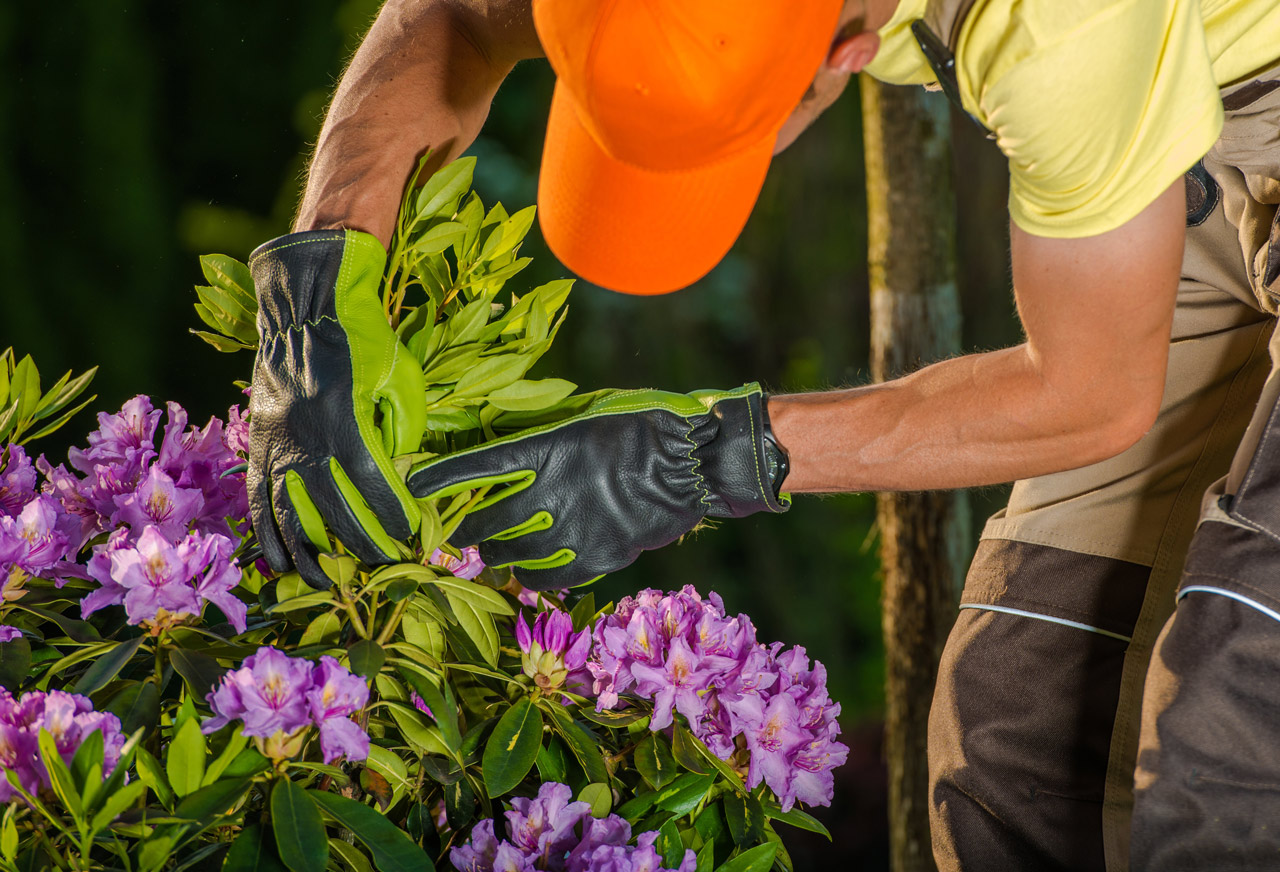
Flowering shrubs require even more attention because incorrect timing can remove developing flower buds.
NC State Extension explains that many shrubs that bloom on one-year-old wood—including many azaleas, forsythia, some spirea, quince, and viburnums—are typically pruned directly after flowering. Shrubs that bloom on new wood may instead be pruned during late winter or early spring.
That is why identifying the plant should come before deciding how aggressively or when it should be trimmed.

6. Your Shrubs Haven't Been Trimmed in a Long Time
Not every shrub needs frequent trimming.
Some plants can maintain an attractive natural form with relatively little intervention, while hedges and other highly managed shrubs may require more regular attention.
Ignoring plants that clearly require maintenance for several growing seasons can lead to problems.
Also, as they get older, shrubs may outgrow their space, grow too much wood, or lose the shape that made them fit in with the landscape in the first place.
In some cases, simple surface trimming may no longer be enough.
NC State Extension describes renewal pruning as a method that removes older branches near the ground while retaining younger, more vigorous growth. The appropriate method depends heavily on the particular shrub and its condition.
If you're unsure how much growth can safely be removed, professional bush trimming in Asheville, NC, can help determine a more appropriate approach than aggressively cutting back the entire plant.
7. Your Landscape Looks Unkempt Even After the Lawn Is Mowed
A freshly mowed lawn can improve a property's appearance quickly, but the lawn is only one part of the overall landscape.
If the grass looks neat while shrubs are uneven, overgrown, or extending into other landscape areas, the entire property can still appear unfinished.
This is where coordinated landscape maintenance becomes important.
Orion Lawn Care & Maintenance provides mowing and lawn care, weed eating, mulching, bush trimming, aeration, and water management services for Asheville-area properties.
Combining routine lawn maintenance with professional bush trimming in Asheville NC can help create a more consistent appearance across the property instead of maintaining the grass while allowing shrubs and planting areas to become overgrown.
When Is the Best Time for Bush Trimming in Asheville, NC?
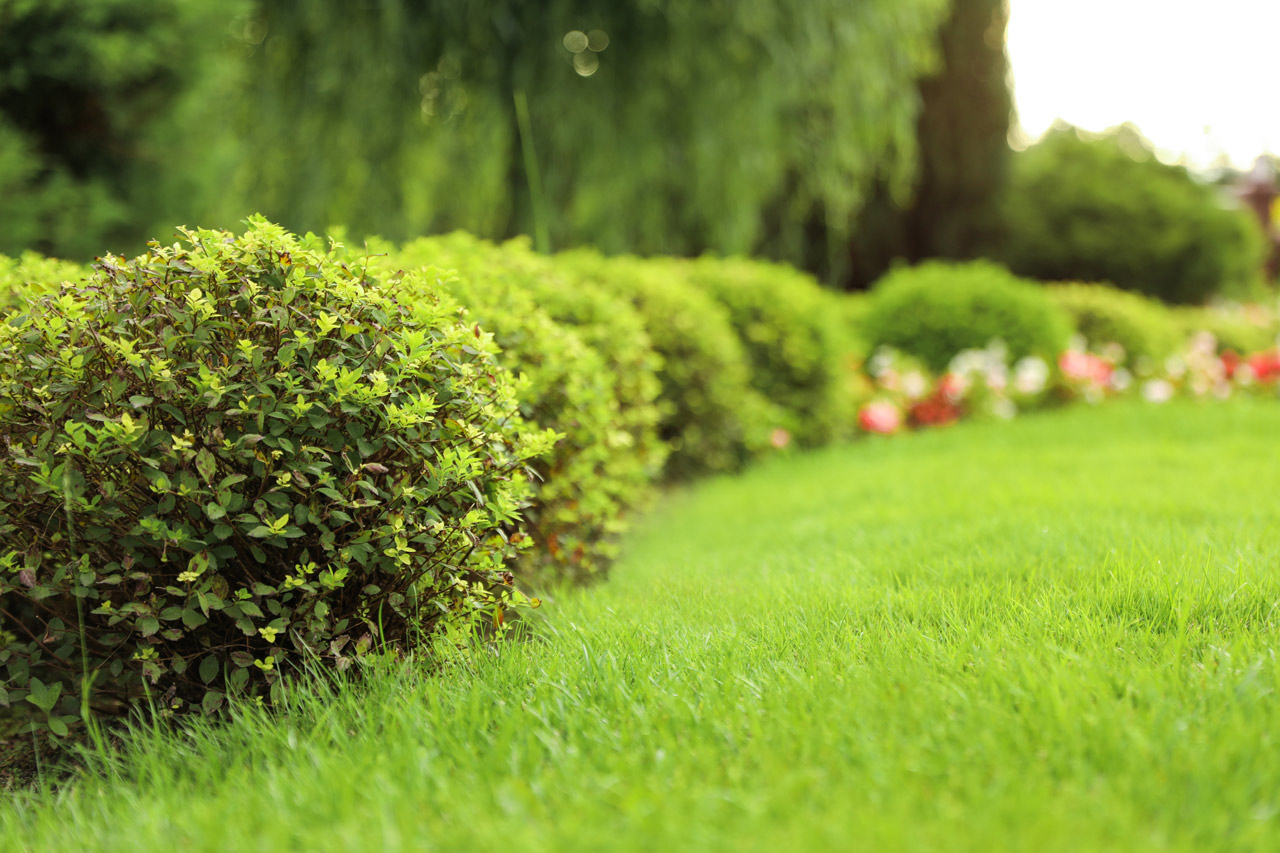
The best time for bush trimming in Asheville, NC, depends largely on the type of shrub, its condition, and when it produces flowers.
There is no single month that is ideal for trimming every shrub.
For many spring-flowering shrubs, pruning immediately after flowering can help preserve the flower buds that will produce the following season's blooms. Shrubs that flower on new growth may be better candidates for pruning during late winter or early spring.
Dead, broken, or damaged branches are different. When they create a problem, they may need attention regardless of the normal seasonal pruning schedule.
This is one reason identifying the shrub before trimming is important. Treating every plant on a property the same way can lead to unnecessary pruning or fewer flowers.
Timing Bush Trimming Around Flowering Shrubs
Azaleas are a good example of why timing matters in Western North Carolina landscapes.
Many azaleas bloom on older wood. Trimming them too late after flowering can remove buds that would otherwise become flowers during the next blooming season.
The same principle applies to several other flowering shrubs.
Before scheduling bush trimming in Asheville, NC, consider whether the shrub flowers and whether those flowers develop on old or new growth.
Professional maintenance can be particularly useful on properties with several different shrub varieties because each plant may have different pruning requirements.
Common Bush Trimming Mistakes to Avoid
Trimming shrubs may appear straightforward, but incorrect techniques can affect both plant appearance and future growth.
Here are several mistakes Asheville homeowners should avoid.
Trimming Every Shrub Into the Same Shape
Not every plant is supposed to look like a ball or rectangular hedge.
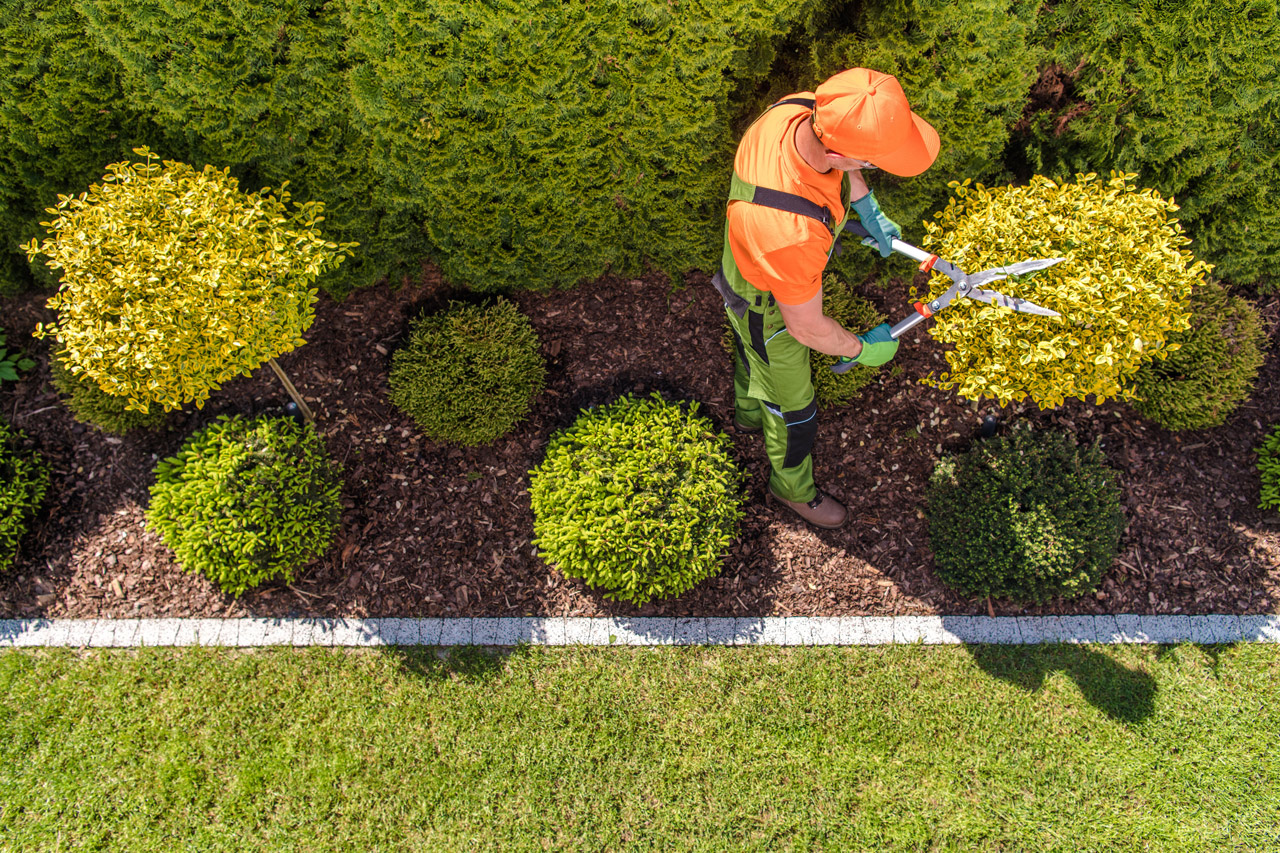
Formal hedges may require regular shearing, but many ornamental shrubs look better when their natural growth habit is preserved.
Repeatedly forcing naturally arching or irregular shrubs into geometric shapes can create an artificial appearance and may require increasingly frequent maintenance.
Removing Too Much Growth at Once
A severely overgrown shrub can tempt homeowners to make drastic cuts.
However, aggressively removing large amounts of healthy growth without understanding the plant can cause unnecessary stress and leave the shrub looking bare.
When substantial rejuvenation is needed, the work may sometimes be better completed gradually rather than through one extreme trimming session.
Professional bush trimming in Asheville, NC, can help determine whether routine trimming, selective thinning, or more substantial renewal pruning is appropriate.
Using Dull or Dirty Tools
Clean cuts are important when pruning shrubs.
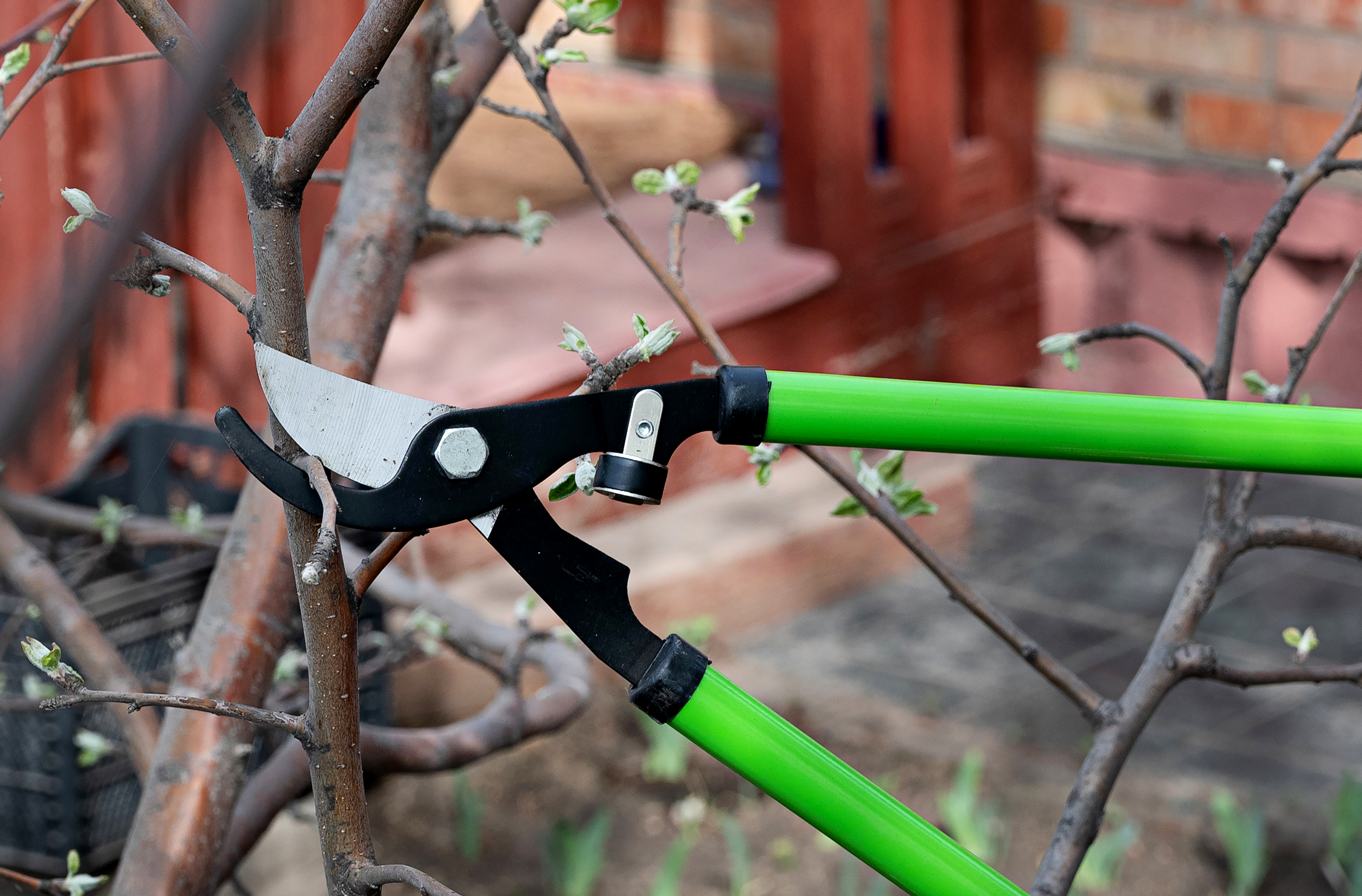
Dull tools can crush or tear branches rather than cutting them cleanly. Pruning equipment should also be maintained properly, particularly when moving between plants where disease transmission may be a concern.
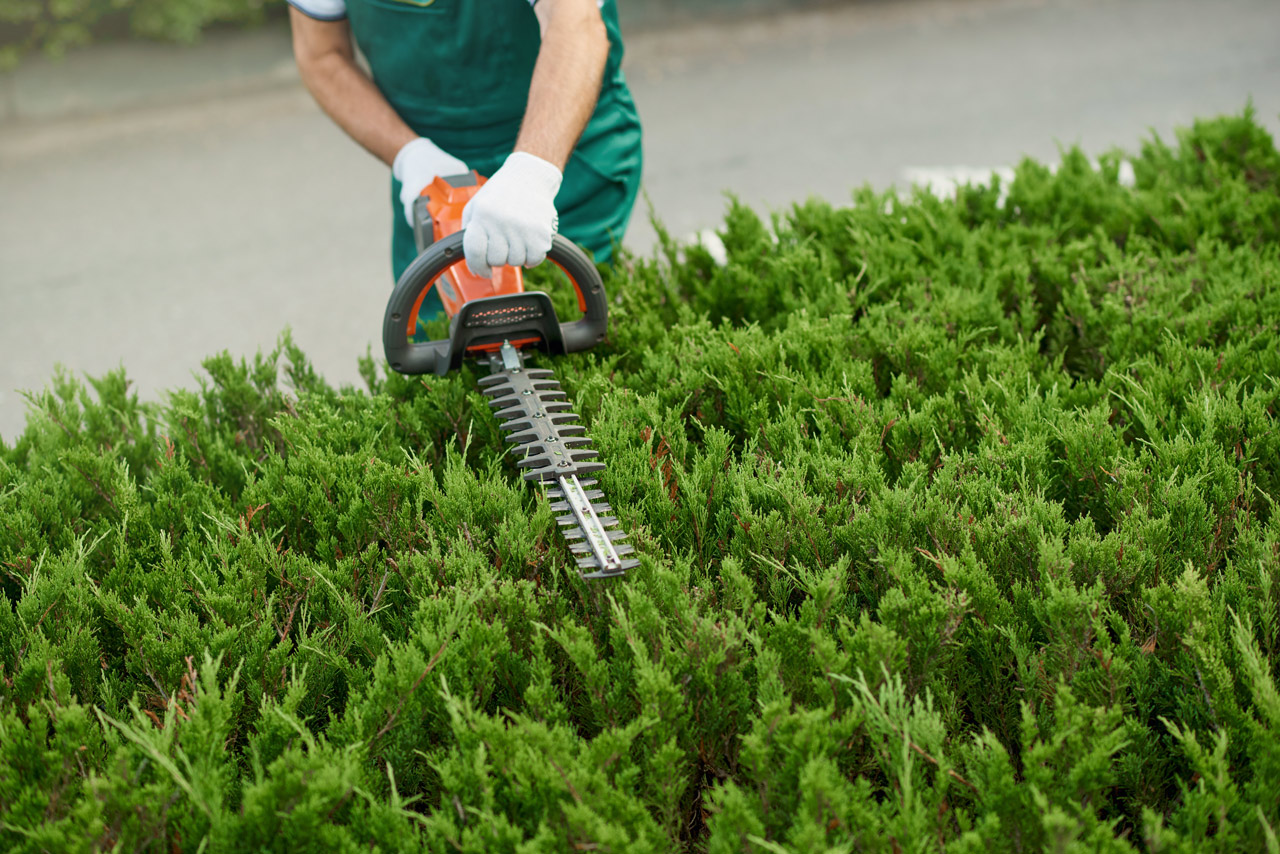
Hand pruners, loppers, pruning saws, and powered hedge trimmers each have different uses. The right tool depends on branch size and the type of trimming being performed.
Trimming at the Wrong Time
This is particularly important with flowering shrubs.
Pruning at the wrong point in the plant's growth cycle can remove flower buds and reduce blooming.
Before trimming, determine what kind of shrub you have and when it typically flowers.
Ignoring Dead and Damaged Growth
Some homeowners focus entirely on making the outside of the shrub look neat.
However, dead, damaged, weak, crossing, or problematic branches inside the shrub may deserve more attention than minor surface growth.
Good bush trimming in Asheville, NC, should consider the overall condition of the plant rather than focusing exclusively on its exterior shape.
Bush Trimming and Overall Landscape Maintenance
Shrubs do not exist separately from the rest of your landscape.
Their size and condition affect planting beds, walkways, lawns, trees, entrances, and the overall appearance of the property.
For example, shrubs growing beyond the edge of a planting bed can interfere with mowing and weed eating. Overgrown plants can also cover mulch, crowd neighboring plants, or make landscape edges appear less defined.
Coordinating shrub care with mowing and lawn care, weed eating, and mulching can create a cleaner and more consistent landscape.
This is especially useful when several parts of the property need attention at the same time.
Instead of treating every maintenance task as an isolated project, homeowners can consider how lawn care and shrub maintenance work together.
Pairing Mulching With Bush Trimming in Asheville, NC
Mulching and shrub trimming are natural companion services.
Trimming can restore the size and shape of overgrown shrubs, while fresh mulch can improve the appearance of the planting beds underneath them.
Mulch can also help conserve soil moisture, suppress weeds, moderate soil temperatures, and protect exposed soil.
When bush trimming in Asheville, NC, and mulching are completed as part of the same landscape-maintenance plan, planting beds can look cleaner and more intentional.
Can Regular Bush Trimming Help With Curb Appeal?
Yes. Well-maintained shrubs can significantly influence how a property looks from the street.
Shrubs are often located near some of the most visible parts of a home, including:
Front entrances
Foundation beds
Driveways
Walkways
Mailbox areas
Porches
Property boundaries
When these shrubs become overgrown, they can hide architectural features and make the landscape appear neglected.
When you maintain them appropriately, shrubs frame the home and complement the surrounding lawn and planting beds.
Regular bush trimming in Asheville, NC, can therefore be an important part of maintaining curb appeal, especially when combined with mowing, weed eating, edging, and mulch maintenance.
The objective should not be to make every plant look identical. A well-maintained landscape can still preserve the natural character of individual shrubs while keeping excessive growth under control.
Why Choose Orion Lawn Care & Maintenance for Bush Trimming in Asheville, NC?
Orion Lawn Care & Maintenance provides professional lawn and landscape maintenance for homeowners in Asheville and surrounding Western North Carolina communities.
Bush trimming is one of the company's established services, along with mowing and lawn care, weed eating, mulching, aeration, and water management.
When you choose Orion for bush trimming in Asheville, NC, the goal is to maintain shrubs in a way that contributes to the appearance and overall maintenance of the entire property.
That can include controlling excessive growth, maintaining appropriate size and shape, addressing problematic branches, and helping shrubs fit naturally within the surrounding landscape.
Having one lawn-care company handle multiple maintenance needs can also make it easier to keep the property looking consistent throughout the growing season.
Keep Your Landscape Looking Its Best With Bush Trimming in Asheville, NC
Shrubs are an important part of a home's landscape, but they need appropriate maintenance as they mature.
Overgrown branches, blocked walkways, dead growth, excessive density, uneven shapes, and neglected shrubs are all signs that trimming may be needed.
Proper bush trimming in Asheville, NC, can help manage these problems while preserving the natural characteristics of the plants whenever possible.
Timing and technique matter, particularly with flowering shrubs. Instead of treating every bush the same way, consider the species, growth habit, condition, flowering schedule, and purpose of each plant.
If your shrubs are becoming difficult to manage or your landscape needs a cleaner, more finished appearance, Orion Lawn Care & Maintenance can help.
Contact Orion Lawn Care & Maintenance to learn more about professional bush trimming in Asheville NC and other lawn and landscape maintenance services for your property.
FAQs
1. When is the best time for bush trimming in Asheville, NC?
The best time depends on the shrub species and its flowering cycle. Many spring-flowering shrubs are typically pruned after flowering, while shrubs that flower on new growth may be pruned during late winter or early spring.
2. How do I know when my shrubs need trimming?
Common signs include excessive growth, branches blocking walkways or windows, dead or damaged branches, dense growth, uneven shape, and shrubs that have outgrown their intended landscape space.
3. Can trimming shrubs at the wrong time affect flowering?
Yes. Some flowering shrubs develop buds on older growth. Trimming them at the wrong time can remove those buds and reduce the next flowering display.
4. Should every shrub be trimmed into the same shape?
No. Different shrubs have different natural growth habits. Formal hedges may be maintained with regular shearing, while many ornamental shrubs benefit from selective pruning that preserves their natural form.
5. Can overgrown shrubs be trimmed back heavily?
It depends on the species and condition of the plant. Some shrubs tolerate renewal pruning, while others may respond poorly to aggressive cutting. Identifying the plant and choosing an appropriate technique is important.
6. Does Orion Lawn Care & Maintenance provide bush trimming in Asheville?
Yes. Orion Lawn Care & Maintenance provides bush trimming along with mowing and lawn care, weed eating, mulching, aeration, and water management for Asheville-area properties.
